 how-to
How to Tell if a Dent is Repairable by PDR
Table of Contents
- What Makes a Dent Repairable by PDR
- PDR Eligibility Criteria You Need to Know
- How Long Does Paintless Dent Repair Take
- Benefits of PDR for Hail Damage
- Common PDR Limitations You Should Understand
- Step-by-Step: Assessing Your Dent for PDR
- Frequently Asked Questions
Last Updated: October 4, 2026
What Makes a Dent Repairable by PDR
Paintless dent repair (PDR) is a technique that removes dents without repainting the vehicle. It works by carefully manipulating metal back to its original shape from behind the panel. But not every dent qualifies for this method.
At Hail Inc., we assess thousands of hail-damaged vehicles each year in Arvada and across the Denver metro area. The difference between a dent that PDR can fix and one that requires traditional bodywork comes down to three core factors: paint integrity, dent depth, and metal accessibility. Understanding these will help you know whether your vehicle is a candidate for paintless repair.
Paint Integrity: The Foundation of PDR Eligibility
PDR only works when the paint remains intact. If the dent cracked, creased, or broke the paint surface, traditional bodywork becomes necessary. The paint must flex with the metal as technicians work the dent out.
When paint is damaged, repainting that area is the only solution. This adds time and cost to the repair process. That's why paint condition is the first thing we check when evaluating a vehicle for PDR in Littleton, Centennial, or any of our service areas.
Run your hand gently over the dent. Feel for cracks or rough spots. Look closely under bright light for any paint separation. Small hairline cracks mean the dent likely isn't a PDR candidate.
Dent Depth and Size Limitations
Shallow dents respond best to PDR. Deep creases or large dents present challenges because the metal has already been severely stressed. PDR technicians can typically handle dents up to about 1-2 inches in diameter, though smaller dents have the highest success rate.
The depth matters as much as the diameter. A dent that's quarter-inch deep is far easier to work with than one that's half-inch deep. Hail typically creates dents in this manageable range, which is why PDR works so well for hail damage.
Large creases where the metal has folded require more aggressive manipulation. This increases the risk of paint failure or metal stress. In those cases, traditional repair with filling and repainting becomes the better choice.
PDR Eligibility Criteria You Need to Know
Before committing to any repair method, several practical factors determine whether how to tell if a dent is repairable by PDR applies to your specific vehicle.
Location of the Dent on Your Vehicle
Dents on flat panels are easier to access and repair. Dents near edges, seams, or body lines create obstacles. The hood and roof are ideal for PDR. Doors and fenders work well too.
Dents near the window trim or around the fuel door become problematic. Technicians need space behind the panel to access the dent. When there's no room to work, PDR isn't possible.
Some vehicles have reinforcement bars or structural supports behind certain panels. These limit access significantly. A dent on a reinforced area might require traditional repair even if it looks small and the paint is intact.
Metal Type and Panel Accessibility
Most modern vehicles use aluminum or steel panels. Both respond well to PDR when conditions are right. Aluminum requires slightly different technique than steel, but skilled technicians handle both equally well.
The real issue is access. Technicians need to reach behind the panel to push or pull the dent out. Some newer vehicles have interior trim, wiring, or components that block access. Older vehicles often have clearer pathways.
When we evaluate vehicles at Hail Inc. in Arvada and surrounding areas, we check what's behind every dent. If access is limited, we discuss your options honestly rather than forcing a PDR approach that won't work.
How Long Does Paintless Dent Repair Take
How long does paintless dent repair take? The timeline depends on dent count, severity, and vehicle accessibility.
A single small dent might take 30 minutes to an hour. Multiple dents across the vehicle take longer. A hail-damaged car with dozens of dents might require several hours or even a full day of work.
Timeline Factors and What to Expect
Several variables affect repair duration. The number of dents is the biggest factor. A vehicle with 10 small dents takes roughly twice as long as one with 5 dents.
Dent severity matters too. Shallow dents come out quickly. Deep dents require more careful, methodical work. Technicians can't rush without risking paint damage.
Vehicle type affects timeline as well. Trucks with large flat panels work faster than sedans with complex body lines. Newer vehicles sometimes have interior obstacles that slow access.
Weather conditions impact timing at our Littleton and Centennial locations. Cold metal is harder to work with than warm metal. Technicians sometimes need to warm panels before starting.
| Factor | Impact on Timeline | Notes |
|---|---|---|
| Single small dent | 30-60 minutes | Straightforward, minimal complexity |
| 10-20 dents | 2-4 hours | Typical hail damage scenario |
| 20+ dents | Full day | Requires multiple technician sessions |
| Deep creases | Extended time | More careful manipulation needed |
| Limited panel access | Adds 15-30 min | Requires alternative techniques |
Benefits of PDR for Hail Damage
PDR offers real advantages for hail-damaged vehicles, especially when dents meet the criteria for this method.
Preserving Your Vehicle's Value and Finish
Your vehicle's original factory paint is irreplaceable. PDR keeps that paint intact. This matters significantly for resale value. Buyers prefer vehicles with original paint.
Traditional bodywork requires sanding, filling, and repainting. Each step introduces variables. Even excellent repainting doesn't perfectly match factory finishes under close inspection. Original paint always looks better to potential buyers.
PDR also preserves the vehicle's structural integrity. No welding, cutting, or panel replacement occurs. The vehicle returns to its pre-damage condition exactly.
Insurance companies recognize these benefits. Many prefer PDR for hail damage when it's applicable. It's faster, less invasive, and maintains vehicle value better than traditional repair.
Common PDR Limitations You Should Understand
PDR isn't a universal solution. Understanding its limitations helps you make informed decisions about your vehicle.
Cracked or creased paint eliminates PDR as an option. Dents on edges or near structural reinforcements often can't be accessed properly. Deep creases where metal has permanently deformed require traditional repair.
Some vehicles have interior components that block panel access. Luxury vehicles sometimes have complex wiring or sensor arrays behind panels. This prevents technicians from reaching certain dents.
Weather extremes affect PDR feasibility. Very cold temperatures make metal brittle. Extremely hot conditions can soften adhesives behind panels. Seasonal timing matters for optimal results.
Older vehicles with multiple layers of previous repairs sometimes respond poorly to PDR. The metal may have stress points from earlier damage. New dents can interact unpredictably with old repair sites.
Step-by-Step: Assessing Your Dent for PDR
You can perform a basic assessment before calling a professional. This helps you understand what a technician will evaluate.
What You'll Need Before You Start
Gather a few simple tools. A bright flashlight or phone light works perfectly. A ruler or measuring tape helps determine dent size. Clean rags remove dirt and debris.
Work in daylight when possible. Natural light reveals paint damage better than artificial lighting. If working indoors, position bright lights around the dented area.
Wear clean gloves to avoid transferring oils to the paint. This prevents smudging and keeps the surface clear for inspection.
Performing a Visual Inspection
Start by looking at the dent from multiple angles. Step back and view it from several feet away. Then move close and examine it carefully.
Look for obvious paint cracks or creases. These are deal-breakers for PDR. If you see any paint damage, the dent likely needs traditional repair.
Check the surrounding area. Is the dent isolated or part of a larger damaged region? Multiple dents clustered together suggest hail impact.
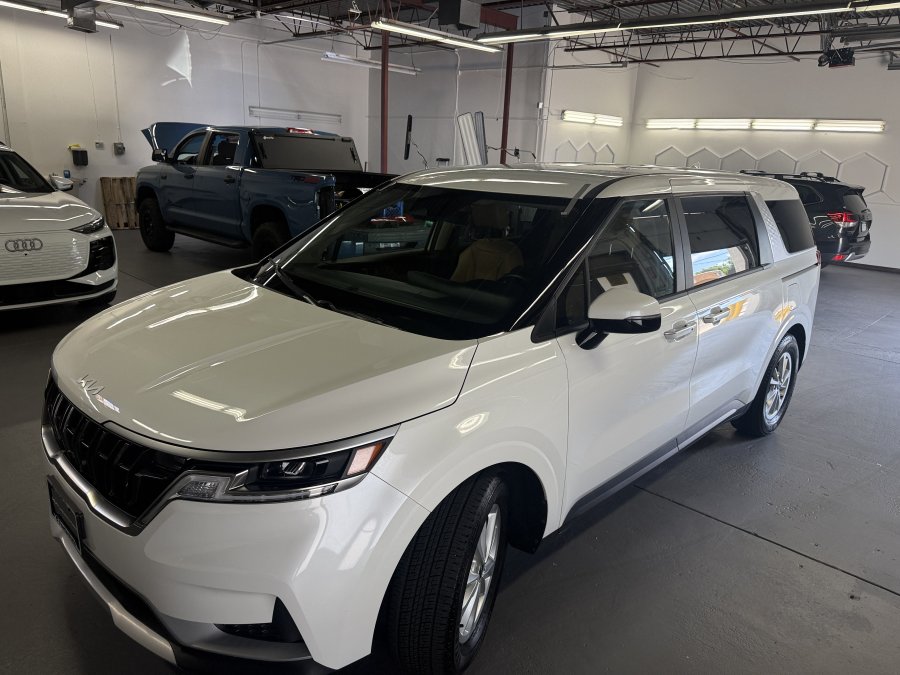
Checking for Paint Damage
Run your fingertip very lightly across the dent. Feel for any rough texture, cracks, or raised edges. Intact paint feels smooth even over the dent itself.
Look at the dent edge carefully. Does the paint transition smoothly, or does it show separation? Paint separation indicates cracking.
Use your flashlight to examine the dent at an angle. Shine light across the surface rather than directly into it. This reveals subtle paint damage invisible under direct light.
Measuring Dent Severity
Use your ruler to measure the dent's diameter. Most hail dents fall between half-inch and 2 inches across. Dents larger than 2 inches become more challenging for PDR.
Estimate depth by looking at the dent's profile. Does it create a shallow depression or a deep crease? Shallow dents are PDR candidates. Deep creases are not.
Check whether the dent has a single impact point or multiple impacts close together. Single-point dents are easier to address. Multiple overlapping impacts complicate the repair.
When to Call a Professional
If you see any paint damage, contact a professional immediately. Paint issues require expertise to assess properly.
If the dent is deeper than about half-inch, professional evaluation is worthwhile. You might not accurately judge depth by eye alone.
If the dent is near a seam, edge, or structural area, a technician should assess accessibility. What looks simple might present access challenges.
Contact Hail Inc. in Arvada for a free evaluation. Our certified technicians can assess your vehicle in minutes and explain exactly what repair method makes sense for your situation. We work directly with your insurance company, handle all the paperwork, and arrange convenient valet service so you're never without transportation during the repair process.
Hail damage doesn't have to mean weeks without your vehicle or a hefty out-of-pocket repair bill. Understanding how to tell if a dent is repairable by PDR puts you in control. If your dents meet the criteria, PDR offers a fast, effective solution that preserves your vehicle's original finish and resale value. Hail Inc. specializes in identifying which dents qualify for paintless repair and which require traditional bodywork. Our certified technicians in Arvada, Littleton, Centennial, and across the Denver area provide honest assessments and complete claim management so you can get back on the road with confidence.
Frequently Asked Questions
What factors determine if a dent can be fixed with PDR?
PDR works best when the paint remains intact, the dent is shallow to moderate in depth, and the panel is accessible from behind. The location on your vehicle matters too, dents on flat surfaces like doors and hoods are more repairable than those on edges or near body lines. Metal type and whether the panel can be reached without removing trim or glass also affect eligibility. A professional assessment is the only way to know for certain if your specific dent qualifies.
How long does paintless dent repair take for hail damage?
A single dent typically takes 15 minutes to an hour, depending on its size and location. Multiple dents from hail damage may take several hours to a full day. The exact timeline depends on how many dents need repair, their severity, and whether any trim needs temporary removal for access. Hail Inc. technicians can provide a specific estimate after inspecting your vehicle.
Can PDR fix deep dents or creases?
PDR has depth limitations. Shallow to moderate dents respond well to the technique, but deep dents or sharp creases often exceed what PDR can achieve. If a dent is too severe, the metal may have stretched beyond the point where PDR tools can reshape it properly. This is why a professional inspection is critical, technicians can determine whether your dent falls within repairable limits or requires alternative repair methods.
Why is PDR preferred for hail damage?
PDR preserves your vehicle's original paint and factory finish, which protects your car's resale value better than traditional body shop repairs. It avoids repainting, which can affect long-term durability and color matching. For hail damage specifically, PDR is cost-effective when insurance covers the repair, and it's faster than conventional methods. The process also maintains your vehicle's structural integrity since no welding or panel replacement is needed.