 How-to
How to Dispute Lease Return Damage Charges: A Step-by-Step Guide
Last Updated: November 5, 2026
Quick Summary
To dispute a lease return damage charge, first get the full inspection report with photos and measurements, then check each item against your lease's wear guidelines. Gather dated evidence, and send an itemized written dispute letter with a response deadline before paying anything.
- Request the full inspection report, including photos, measurements, and the clause cited for each charge.
- Compare each charge against the size, count, or depth limits in your lease's wear guidelines.
- Gather dated photos, delivery condition records, and maintenance receipts as evidence for each disputed item.
- Send an itemized written dispute letter with a response deadline of about 14 days.
- Ask in writing how the disputed amount will be handled before making any payment.
Table of Contents
- What Counts as Excess Wear and Tear on a Leased Car
- How Lease-End Inspections Work and What the Report Shows
- Checking Each Charge Against Your Lease Agreement
- Evidence to Gather for Disputing Lease-End Damage Charges
- Writing a Lease Return Damage Dispute Letter
- The Lease-End Damage Charge Appeal Process, Step by Step
- Your Next Step: Getting an Independent Damage Estimate Before You Respond
- Frequently Asked Questions
What Counts as Excess Wear and Tear on a Leased Car
Most lease-end disputes start with one question: is this lease return damage normal, or is it a charge? Your lease agreement and the leasing company's wear guidelines decide the answer.
Excess wear and tear is damage beyond what normal use causes over the lease term. To see how a hail-damage repair process is actually assessed and what it covers, read the Auto Hail Repair Process Explained guide.
Normal wear versus chargeable damage
Normal wear is the gradual aging that comes from ordinary driving. Small stone chips on the hood, faint seat compression, and light scuffs on the carpet are common examples.
Chargeable damage is harm that goes beyond that. Examples include large dents, deep scratches through the paint, torn upholstery, and cracked glass.
- Normal wear: light, expected, and spread across the car over time
- Chargeable damage: concentrated, deep, or easy to tie to a specific incident
- Gray area: items the wear guidelines describe with size or count limits
When a charge falls in a gray area, check whether the leasing company measured it against the written limits.
Common damage categories: dents, scratches, tires, glass, and interior
Leasing companies usually sort charges into a few groups. Knowing them helps you spot which items need the closest look.
- Dents and body damage: Check the size, depth, and location against the guidelines.
- Scratches and paint: Light surface marks often fall under normal wear, while deep gouges usually do not.
- Tires: Tread depth and sidewall damage are typically measured against a set minimum.
- Glass: Chips and cracks are often tied to size and position on the windshield.
- Interior: Stains, tears, and odors are judged against the lease's standards.
How Lease-End Inspections Work and What the Report Shows
Before you return a leased car, the leasing company or a third-party inspector usually examines it.
Ask for a copy of the full report as soon as it is available. Many people accept the first summary they receive without reading the details.
Look for these parts of the report:
- Photos of each damaged area
- A description of the damage and its location
- The guideline or lease clause used to justify each charge
- The repair estimate or cost assigned to each item
Missing photos or vague descriptions are a warning sign. To learn how to tell structural from cosmetic hail damage when reviewing a report, see this guide.
Checking Each Charge Against Your Lease Agreement
Go through the itemized charges one at a time. For each line, ask three questions: Is this damage?
Pull out your lease agreement and the wear guidelines it references.
- Mark any charge that lacks a clear clause or measurement
- Note charges that appear to double-count the same damage
- Flag amounts that look high compared to the repair work described
A simple spreadsheet with columns for item, claimed amount, lease clause, and your notes keeps the review organized.
The table below summarises the three questions to ask about each itemized charge and the damage categories leasing companies typically use.
| Question or category | What to check | Where to look |
|---|---|---|
| Is this damage? | Confirm the item is damage, not a normal mark | Inspection report photos |
| Is it beyond normal wear? | Compare against written size or count limits | Wear guidelines in your lease |
| Is the amount allowed? | Confirm the lease permits the charge at that amount | Lease agreement and addendum |
| Dents and body damage | Size, depth and location against guidelines | Wear guidelines |
| Tires | Tread depth and sidewall damage against minimum | Wear guidelines |
| Glass | Chip or crack size and position on windshield | Wear guidelines |
| Interior | Stains, tears and odors against lease standards | Wear guidelines |
Evidence to Gather for Disputing Lease-End Damage Charges
Good evidence makes a dispute much stronger, and the strongest disputes are built before you ever contact the leasing company. Gather it in a fixed order so nothing is missing when you write your letter.
A practical evidence checklist
Work through this list and note the date you collected each item. A complete file is what separates a dispute that gets adjusted from one that gets a form response.
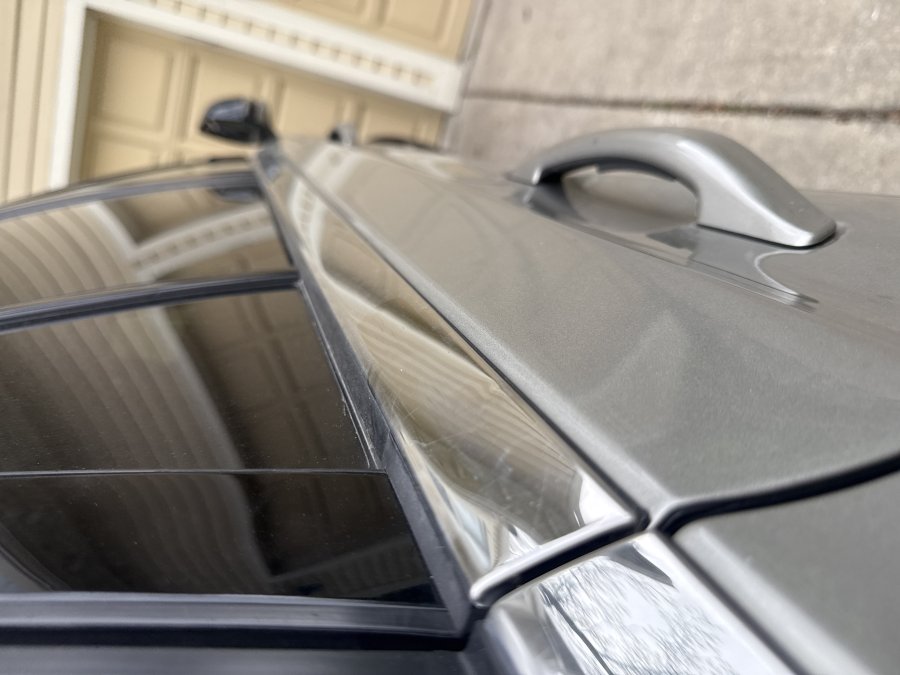
- Dated photos and video of the whole vehicle. Capture all four sides, the roof, the interior, the odometer, and the VIN plate in one session so the images share a timestamp. For each disputed item, take a wide shot that shows where the damage sits on the car and a close shot with a ruler or coin for scale.
- The full inspection report, not the summary. Request the inspector's photos, measurements, and the guideline or lease clause cited for each line item.
- Your lease agreement and the wear guidelines it references. Keep the complete documents, including any addendum that sets size or count limits.
- Delivery and move-in condition records. The condition report from the day you took delivery is the baseline for what was already there.
- Maintenance and service records. Receipts and service history show the vehicle was cared for and help rebut claims of neglect.
How to capture photos that hold up
A common pattern in disputed claims is a photo that is too close to show location or too far away to show the damage. Shoot in pairs: one wide frame for context and one close frame for detail, and keep the same lighting for both. Avoid editing or cropping the originals. Keep the unedited files and send copies, never the originals.
Organize the file before you write
Build a simple index that matches each disputed charge to the evidence that rebuts it. A table with columns for the line item, the claimed amount, the lease clause, your evidence file name, and your note keeps the dispute tight and makes it easy for a reviewer to follow. When you send the dispute, reference the index so the reviewer can find each item without hunting.
Writing a Lease Return Damage Dispute Letter
A clear written dispute is often more effective than a phone call. It creates a record, forces a specific response, and preserves your position if the bill is later sent to collections. Most practitioners find that a letter which ties each charge to a lease clause and a piece of evidence gets a faster, more specific reply than a general complaint.
What every dispute letter should contain
- Your name, lease account number, and vehicle identification number
- The inspection date, the inspector's name if shown on the report, and the total amount disputed
- Each disputed charge listed separately, with the reason you believe it is incorrect
- The lease clause or wear guideline you are relying on for each item
- A list of the evidence you enclose, matched to each charge
- A specific request, such as removing the charge, correcting a measurement, or providing the inspector's photos and measurements
- A reasonable response deadline, such as 14 days
- A statement that you are disputing the amount in good faith and asking that it not be treated as delinquent while the review is open
A template you can adapt
[Date]
[Leasing company name] Lease-End Department
Re: Dispute of lease-end damage charges, account [number], VIN [number]
I am disputing [number] charges on the inspection report dated [date] for a total of [amount]. I am requesting a written review of each item below.
Item 1: [description and amount]. I dispute this charge because [reason]. The applicable guideline is [clause or limit], and I have enclosed [evidence].
Item 2: [description and amount].
How to frame each charge
Match the wording to the type of error. If the charge exceeds a written limit, quote the limit and the measurement. If the damage was present at delivery, cite the delivery condition report.
Watch out: paying a disputed charge "to avoid trouble" can be treated as acceptance, so ask in writing how the disputed amount will be handled before you send any payment.
Send it so it can be proven
Send the letter by a method that produces a delivery record, keep a copy with the enclosures, and note the date you sent it. Follow up in writing if you have not received a response by your deadline, and reference the original letter and any case number. Keep every reply in the same file as your evidence index so the record stays complete if the dispute escalates.
The Lease-End Damage Charge Appeal Process, Step by Step
Follow these steps in order so you do not skip anything important.
- Request the full inspection report. Ask for photos and the basis for each charge.
- Review each charge against the lease. Mark the items you dispute.
- Gather your evidence. Collect photos, records, and written communication.
- Send a written dispute letter. Include specific items, reasons, and evidence.
- Set a follow-up date. Call or email if you have not heard back by the deadline.
- Ask for a supervisor or lease-end department review. Escalate if the first response is unhelpful.
- Keep records of every step. Note dates, names, and any reference numbers.
- Consider a formal complaint if needed. If the matter is still unresolved, look into the complaint options available to you.
Pay close attention to any payment deadline on the bill. Ask in writing how the disputed amount is being handled while the review is open.
Your Next Step: Getting an Independent Damage Estimate Before You Respond
Before you reply to a charge, an independent estimate can show what the damage really costs to repair. Check the signs that your car needs a professional hail damage inspection to decide whether one is warranted. That number gives you a fair reference point when you talk with the leasing company.
Hail Inc. provides auto hail repair and Paintless Dent Repair services. To learn more about current options, schedule an online appointment.
Frequently Asked Questions
What happens if you return a leased car with damage?
The leasing company inspects the vehicle at lease end and compares its condition to the wear standards in your lease agreement. Damage beyond those standards is classed as excess wear and tear, and you will typically receive an itemized bill for repairs or a reduced value adjustment. You are usually given a chance to review the inspection report and respond before the charges are finalized, so reading the report closely soon after return is important.
Can I ask for a second inspection or repair estimate?
You can ask the leasing company to explain how each charge was calculated and to provide the photographs and repair estimate behind it. For a second opinion, you can obtain an independent repair estimate from a qualified shop and include it with your written dispute. Keep in mind that the leasing company is not obligated to accept it, so the estimate should be specific, dated, and tied to the exact items on the inspection report.
Should I repair damage before turning in a leased vehicle?
Repairing damage before return can sometimes reduce the total charge, but it is not always the better choice. Compare the leasing company's quoted charge with an independent repair estimate for the same damage. If a repair is inexpensive and the charge is high, repairing first may save money. If the damage is minor and the lease already contains reasonable wear standards, you may be better off disputing the charge instead of paying for a repair you may not need.
Who is responsible for damage charges at the end of a lease?
The lessee is generally responsible for damage that exceeds the wear standards in the lease agreement, as long as the charge is documented and calculated according to the contract. Responsibility does not extend to normal wear and tear, and you can question charges that are not supported by the lease terms or the inspection evidence. Read your lease's end-of-term section to confirm the specific allowances and the process for disputing charges.