 How-to
How to Identify Hail Damage on a Car Roof: A Step-by-Step Guide
Last Updated: November 5, 2026
Quick Summary
To identify hail damage on a car roof, look for round, shallow dents with soft edges, cracked or cloudy paint at the dent centers, and a wavy reflection across the panel. Sight across the roof from several angles and sweep a low-angle LED flashlight to reveal dents that daylight hides.
- Hail dents are round, shallow and clustered, while other marks have sharp or jagged edges.
- Hold a bright LED flashlight almost parallel to the roof so each dent casts a shadow.
- Photograph the roof from four corners in direct sun before the insurance adjuster arrives.
- Shallow dents with intact paint are often candidates for paintless dent repair.
- Compare your deductible with a written repair estimate before deciding whether to file a claim.
Table of Contents
- Why a Roof Inspection Matters After a Storm in Arvada
- Visual Signs of Hail Damage on Your Car Roof
- Hail Damage Inspection Tools You Can Use at Home
- Step-by-Step: Inspecting the Roof, Glass, and Body Panels
- Telling Hail Dents Apart From Other Surface Damage
- Hail Damage Insurance Claim Steps for Colorado Drivers
- The Paintless Dent Repair Process and Repair Timeline
- Schedule Your Roof Inspection With Hail Inc.
- Frequently Asked Questions
Why a Roof Inspection Matters After a Storm in Arvada
Hail hits the roof of a car harder than any other panel. It faces the sky, takes the full force of every stone, and hides damage from the driver's seat. Learning how to identify hail damage on car roof panels is the first step toward a proper claim, and this guide from Hail Inc. walks you through it. Arvada sits along Colorado's Front Range, where spring and summer storms can arrive with little warning.
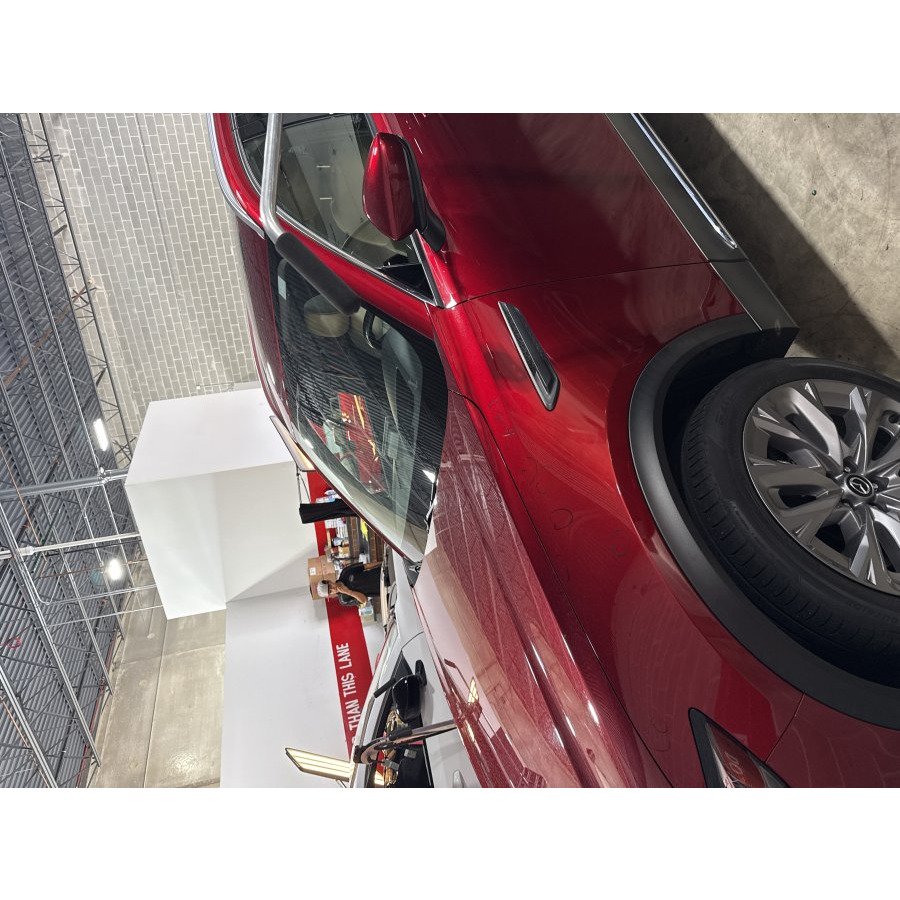
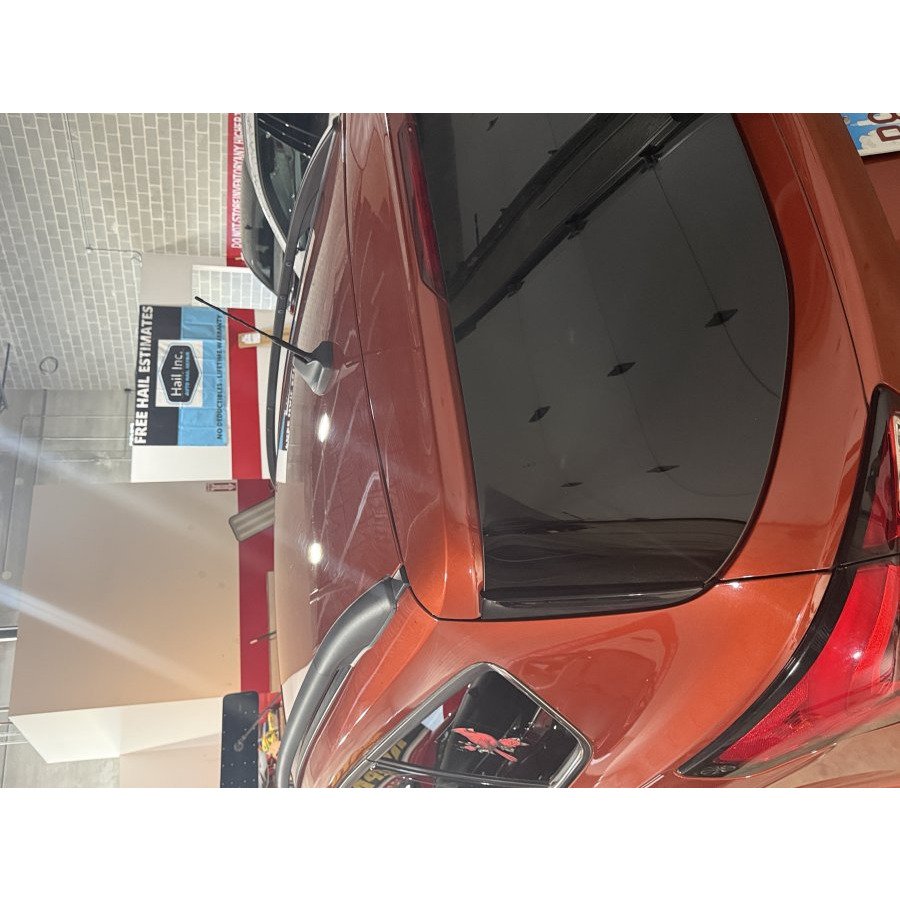
Lighting matters when inspecting a roof: dents that are hard to see in shade can become more visible in direct sun, so the right angle and light help.
Below, we show you exactly how to inspect every panel and what to do when you find damage.
Visual Signs of Hail Damage on Your Car Roof
Start with your eyes, not your hands. Hail damage on a car roof usually shows up as round dents, cracked paint, or a dimpled texture across the metal. Walk around the car and look at the roof from several angles. Crouch near the doors and sight across the panel.
What to look for:
- Small circular dents with no sharp edges
- Paint that looks cloudy or cracked at the center of a dent
- A wavy or rippled reflection across the roof
- Chips in the paint near the top edges of the roof
The reflection test is the fastest check. A smooth roof reflects straight lines. A dented roof bends them.
Reading Hailstone Size and Impact Patterns
Hailstone size tells you a lot about the damage underneath. Pea-sized stones usually leave light marks. Golf-ball-sized stones dent metal and crack paint. Larger stones can crease a panel.
Impact patterns matter too. Hail can fall at an angle in wind, so dents may cluster on one side of the roof. Look for groups of dents rather than single spots. A scattered pattern points to hail. A single dent with a sharp edge usually means something else hit the car.
Hail Damage Inspection Tools You Can Use at Home
You do not need a body shop to spot the basics. A few household items help you see what your eyes miss. Many owners use these hail damage inspection tools before calling a pro:
- A bright LED flashlight: hold it flat against the roof and sweep slowly
- A soft cloth: wipe dust so reflections stay clean
- A step stool: get above the roof for a top-down view
- Your phone camera: take photos from several angles for your claim
The LED lighting inspection trick is simple. Hold the light at a low angle, almost parallel to the panel. Dents cast small shadows that plain daylight hides.
Step-by-Step: Inspecting the Roof, Glass, and Body Panels
Set aside ten minutes and work through the car in order. A steady, panel-by-panel vehicle inspection catches more than a quick glance.
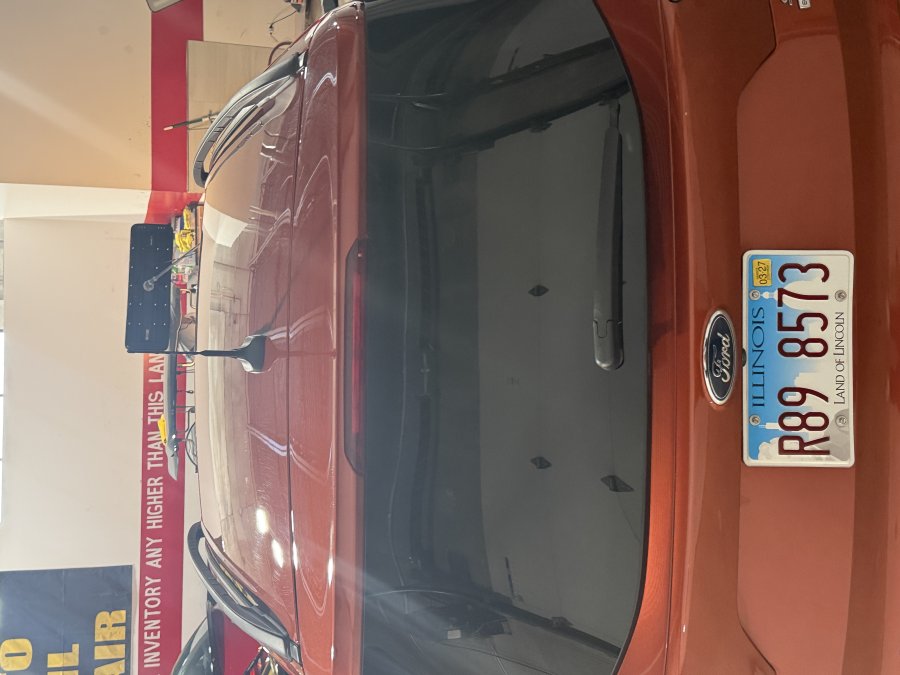
- Start at the roof center. Sight across it from both sides of the car.
- Check the roof edges. These curve and hide dents in shadow.
- Move to the hood and trunk. They take hits at the same angle as the roof.
- Scan the side body panels. Look along the doors and fenders at eye level.
- Check the pillars and trim. Thin metal shows damage easily.
- Photograph everything. Note the location of each dent.
Checking Windshields, Sunroofs, and Trim
Glass tells its own story. Windshield chips and cracked glass often show up after a storm, even when the roof looks clean. Run a fingertip along the windshield and look for small pits. Check the sunroof glass for chips at the edges.
Trim and molding can hide dents underneath. Press gently along the roof rails. Any soft spot or gap is worth a closer look.
Telling Hail Dents Apart From Other Surface Damage
Not every mark on a roof comes from hail. This is where a lot of owners get confused. Hail dents are round, shallow, and clustered. They have soft edges and no paint transfer. Other damage looks different.
| Sign | Hail Damage | Other Surface Damage |
|---|---|---|
| Shape | Round, shallow dents | Sharp or irregular marks |
| Pattern | Clustered, angled groups | Single isolated spots |
| Paint | Cracked or cloudy at center | Scratched or scraped |
| Edges | Soft and smooth | Sharp or jagged |
A quick rule: if the dent has a sharp edge or a scratch running through it, hail probably did not cause it. Hail leaves a soft, rounded footprint. Multiple dents in a cluster almost always point to a storm.
Hail Damage Insurance Claim Steps for Colorado Drivers
Most hail damage falls under comprehensive coverage on a standard auto insurance policy, which means your insurer handles the repair minus your deductible. The steps below are the same path most Colorado drivers follow, but the two decisions that actually matter are whether to file at all and how to document the roof before the adjuster arrives.
- Document the damage before you call anyone. Photograph every dent on the roof, hood, trunk, and glass from multiple angles, and include a wide shot that shows the whole car so the adjuster can match panels.
- Call your insurer and open the claim. Do this before you book any repair so the claim date is on record.
- Meet the insurance adjuster. They inspect the car, map the dents, and write a repair estimate.
- Get the estimate reviewed. Compare the adjuster's findings with a shop's assessment; a shop that works with insurers will flag dents the adjuster missed.
- Approve the repair. The shop coordinates with your insurer on the final numbers.
Deciding Whether to File: Deductible vs. Repair Cost
This is the step most guides skip. Filing a comprehensive claim is different from an at-fault claim, but you still pay your deductible out of pocket, so the question is whether the repair estimate clears it. Ask your insurer for your deductible amount and compare it with a written estimate. In that case, paying out of pocket and keeping the claim off your record is often the better move. A roof with dozens of dents, cracked paint, or creased panels usually clears the deductible easily, and filing makes sense. Ask your insurer for the deductible amount in writing before you decide, and ask a shop for a written estimate on the same day so you are comparing real numbers rather than guesses.
Before you sign anything, confirm in writing who pays your deductible and what any "$0 out-of-pocket" offer covers.
Documenting the Roof Before the Adjuster Arrives
Your own photos are the record that protects you if a dent is missed. Shoot the roof in direct sun from four corners of the car, then repeat with a low-angle flashlight so each dent casts a shadow. Photograph the windshield and sunroof glass separately, and note the date and approximate time of the storm. If you can, park the car where the adjuster will see the same lighting you photographed under. Without your own record, a missed dent may not make the estimate, and a second inspection can be a hassle to schedule.
Before the adjuster arrives, it helps to know what happens during a hail damage appraisal in Arvada. For a Denver-specific walkthrough, see how to file auto hail claims in Denver.
The Paintless Dent Repair Process and Repair Timeline
Paintless dent repair, or PDR, is one method used for hail damage on a roof. Technicians push or pull dents back into shape from behind the panel, the paint stays intact, and the metal returns to its original form with no filler and no repainting. Whether your roof is a PDR candidate depends on four things: dent depth, paint condition, panel access, and dent location.
When PDR Works and When It Does Not
PDR works best on shallow, round dents where the paint is not cracked. As a general guide, shallow dents with intact paint are often PDR candidates, while deeper dents that stretch the paint or crease the metal may need traditional body work. Access behind the panel can affect whether PDR is practical, since roof rails, sunroof frames, and reinforced sections can limit access. If the paint is cracked at the center of a dent, PDR will not fix the finish, and the panel may need refinishing.
Push-to-Paint vs. Glue Pulling
PDR techniques generally include methods that work from behind the panel and methods that pull the dent outward, and each carries different considerations for access and paint condition.
How Long Hail Damage Repair Timeline Takes
A hail damage repair timeline depends on how many dents the car has and how deep they go. Repair time depends on how many dents the car has and how deep they go, so your shop can give you an estimate after the appraisal. Ask the shop whether the roof will be repaired with PDR only or whether any panel needs refinishing, because that single answer drives most of the timeline. For a full breakdown, read how long hail repair takes.
Schedule Your Roof Inspection With Hail Inc.
You now have the tools to spot the signs, but a trained eye catches what home checks miss. At Hail Inc., our certified technicians inspect the vehicle. We work with insurance companies to manage claims, offer $0 out-of-pocket repairs and complimentary rental vehicles, provide valet pickup and drop-off for your home or office, and offer a lifetime warranty on professional auto body repairs.
If you are weighing whether to file at all, our guide to the top signs your car needs a professional hail damage inspection can help. When you are ready to move forward, the Colorado auto hail repair step-by-step guide walks you through the whole process.
Get started with Hail Inc. and schedule an online appointment today.
Frequently Asked Questions
What does hail damage look like on a car roof?
Hail damage on a roof usually appears as clusters of small, round dimples across the hood, roof, and trunk. Under direct light you may see shallow craters, paint cracks, or a pitted texture. Larger hailstones can leave deeper dents with chipped paint or granule loss on glass trim. Because roof panels are flat and horizontal, they catch the most impacts, so inspect from several angles with a flashlight held low to the surface.
Can insurance adjusters tell how old hail damage is?
Adjusters look for rust, dirt buildup in the dent, and paint condition to estimate age. Fresh dents usually have clean, sharp edges and intact paint, while older damage may show oxidation or debris inside the crater. An adjuster also checks weather records and your claim filing date. If you notice damage after a storm, document it quickly with photos and a written inspection note so the timeline is clear when you file.
How do I know if my insurance covers hail damage?
Hail damage is typically covered under the comprehensive portion of an auto insurance policy, not collision. Check your declarations page for comprehensive coverage and note your deductible. If you have it, your claim should be handled as a comprehensive loss. Review your policy or call your agent before filing to confirm coverage and understand any deductible that applies.
Why is it important to inspect my car roof after a storm in Arvada?
Arvada sits along Colorado's Front Range, where spring and summer storms can bring hail. Roof damage is easy to miss from the driver's seat but can lead to paint failure, water intrusion, and lower resale value if ignored. A prompt inspection helps you document damage for an insurance claim and determine whether paintless dent repair can restore the panel before corrosion sets in.