
 ultimate-guide
How Long Does Hail Repair Take: Timeline & Process
Table of Contents
- How Long Does Hail Repair Take: Overview
- Paintless Dent Repair Timeline: What to Expect
- Factors That Affect Hail Repair Duration
- Hail Damage Insurance Claim Process and Timeline
- Hail Damage Repair for Leased Vehicles: Special Considerations
- How Hail Inc. Reduces Your Repair Timeline
- Conclusion
- Frequently Asked Questions
Last Updated: September 28, 2026
How Long Does Hail Repair Take: Overview
How long does hail repair take varies significantly depending on the extent of damage, your vehicle's specifications, and insurance claim procedures. Most hail repair jobs range from a few days to several weeks, but understanding the factors that influence timing helps you plan accordingly and manage expectations.
The actual repair process itself often moves faster than you'd expect. Paintless dent repair (PDR), the primary method for addressing hail damage, can resolve minor to moderate dents without requiring extensive body work or repainting. However, the full timeline from damage assessment to driving away in a fully restored vehicle involves multiple steps beyond just the hands-on repair work.
At Hail Inc., we've simplified this process to minimize your vehicle's downtime. By handling insurance coordination directly and offering complimentary rental vehicles, we eliminate many delays that typically extend repair timelines. Understanding what happens at each stage helps you see why certain steps take the time they do.
Paintless Dent Repair Timeline: What to Expect
Paintless dent repair is the fastest method for addressing hail damage, and the timeline depends on how many dents need attention and their location on your vehicle. A vehicle with light hail damage involving 10-20 small dents across the hood and roof might take 1-3 days of actual repair work. Moderate damage affecting larger panel areas could require 5-7 days. Severe hail damage with hundreds of dents across multiple panels may take 2-3 weeks.
The repair timeline also depends on panel accessibility. Dents on easily accessible surfaces like the hood and roof move faster than damage on side panels or areas near windows and trim. Technicians must work carefully around existing features, which adds time but ensures your vehicle's integrity remains intact.
One critical factor often overlooked: the drying and curing time after repairs. Even with PDR, certain adhesives and materials need time to set properly. This typically adds 24-48 hours to your overall timeline, though you may be able to pick up your vehicle before this period ends if needed.
Factors That Affect Hail Repair Duration
Damage Severity and Panel Coverage
The extent of hail damage is the single largest factor determining repair time. Light damage, typically fewer than 20 dents concentrated in one or two areas, represents the fastest repair scenario. These jobs often complete within 2-4 days because technicians can focus their efforts on specific panels.
Moderate damage, involving 50-100 dents spread across multiple panels, usually requires 1-2 weeks. The technician must assess each dent individually, plan the repair sequence, and work systematically to avoid missing spots or creating new issues during the process.
Severe hail damage, with hundreds of dents covering most of your vehicle's exterior, can extend the timeline to 3-4 weeks or longer. In these cases, technicians may need to prioritize which areas to address first, especially if your vehicle will be used during repairs. Some shops may also need to bring in additional technicians to manage the workload efficiently.
Panel coverage matters as much as dent count. Damage concentrated on the hood and roof moves faster than damage spread across doors, fenders, and side panels. Side panels require extra care because technicians must work around door mechanisms, weatherstripping, and trim pieces without damaging them.
Vehicle Make, Model, and Panel Access
Different vehicles present different challenges for hail repair technicians. Newer vehicles with advanced materials and complex panel designs may take longer to repair than older models with simpler construction. Some modern vehicles use aluminum panels instead of steel, which requires specialized PDR techniques and slightly more time.
Panel access varies by vehicle design. Some cars have easily removable trim pieces that allow technicians to access dents from multiple angles, speeding up the repair. Others have integrated trim and complex panel geometry that requires more careful, time-intensive work. Luxury vehicles and vehicles with panoramic sunroofs often take longer because of the additional components technicians must work around.
The size of your vehicle also affects timeline. Larger vehicles like SUVs and trucks have more surface area to assess and repair, naturally extending the timeframe. A full-size truck with hail damage across its large hood and roof panels will take longer than a compact sedan with similar dent density.
Insurance Approval and Documentation
Insurance approval represents one of the most unpredictable variables in your repair timeline. Before work begins, your insurance company must inspect the damage, approve the claim, and authorize repairs. This process typically takes 3-7 business days, though it can extend longer during peak hail season when adjusters are overwhelmed.
Documentation requirements vary by insurance company. Some insurers require multiple photos from specific angles, detailed damage assessments, and repair estimates before approving claims. Others simplify the process with digital submissions and faster turnaround times. Your deductible and coverage type also influence approval speed, comprehensive coverage claims often process faster than other claim types.
The repair shop you choose affects this timeline significantly. Shops experienced in handling insurance claims efficiently, like Hail Inc., which works directly with insurance companies, can accelerate the approval process. Direct coordination eliminates back-and-forth communication delays and ensures all documentation reaches the insurer promptly.
Hail Damage Insurance Claim Process and Timeline
The insurance claim process runs parallel to your repair timeline, and understanding each step helps you plan your schedule accordingly. Immediately after hail damage occurs, contact your insurance company to file a claim. This step should happen within 24-48 hours of the storm to ensure your vehicle is documented while damage is fresh.
Your insurer will schedule an adjuster to inspect your vehicle. This appointment typically occurs within 5-10 business days, though during severe hail events in areas like Arvada and surrounding communities, this may extend to 2-3 weeks. The adjuster photographs damage, assesses repair costs, and determines whether your claim qualifies for coverage.
After the adjuster's inspection, your insurance company reviews the claim and issues an approval or denial. This review period usually takes 3-5 business days. Once approved, the insurer sends authorization to your repair shop, allowing work to begin. Some insurance companies issue payment directly to you; others pay the repair shop directly.
Many insurance companies require you to obtain repair estimates from approved shops before claim approval. Hail Inc. handles this process efficiently by providing detailed estimates that insurance companies recognize and process quickly. This coordination reduces delays and keeps your repair timeline on track.
Hail Damage Repair for Leased Vehicles: Special Considerations
Leased vehicles follow a different repair timeline because lease agreements typically require specific procedures and approved repair shops. Your lease company must approve repairs before work begins, adding an extra step to the timeline. This approval process usually takes 2-5 business days after your insurance claim is approved.
Many lease agreements require that hail damage repairs be completed at authorized dealerships or approved shops. This restriction can extend your timeline if the nearest approved facility has a backlog. Hail Inc. works with many lease companies and their approved networks, helping accelerate approvals for customers with leased vehicles in Arvada and surrounding areas.
Lease companies also have specific documentation requirements. They need proof that repairs meet manufacturer standards and that your vehicle's residual value isn't affected. This documentation requirement adds 1-2 business days to the overall timeline but protects your lease agreement's integrity.
One advantage: lease companies typically cover hail damage repairs fully under comprehensive coverage, eliminating deductible concerns. This clarity speeds up authorization because there's no dispute about what the lease company will pay. Your timeline focuses purely on repair work rather than claim disputes.
How Hail Inc. Reduces Your Repair Timeline
Hail Inc. simplifies the entire hail repair process by handling insurance coordination directly, eliminating delays that typically extend timelines at other shops. Rather than waiting for you to submit documents and follow up with your insurance company, our team manages claim documentation, communicates with adjusters, and ensures approvals move through quickly.
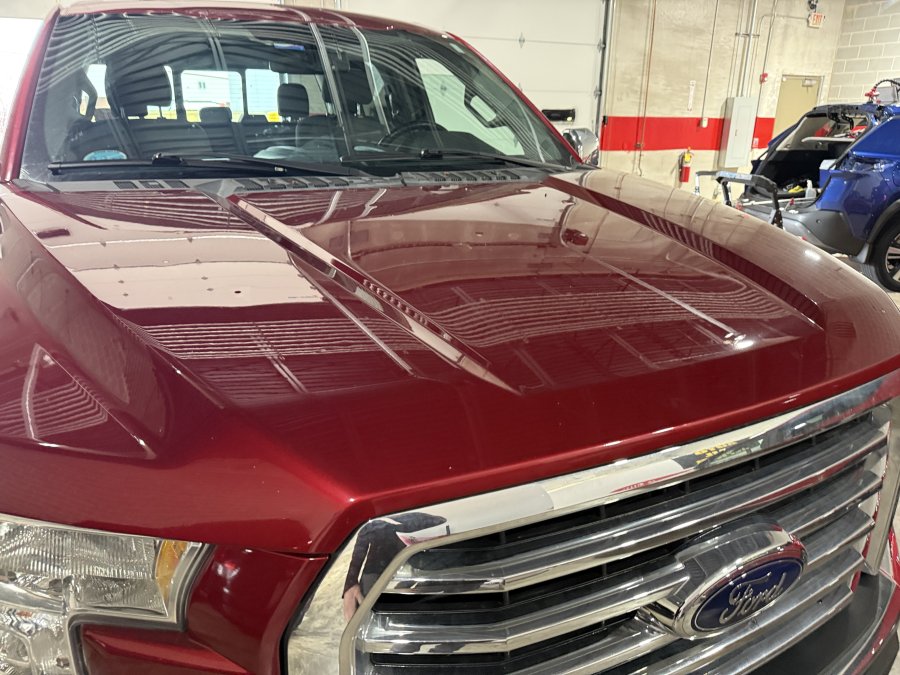
Our certified technicians prioritize efficiency without compromising quality.
Conclusion
How long hail repair takes depends on damage severity, your vehicle's specifications, insurance approval timing, and your repair shop's efficiency. Most jobs complete within 1-3 weeks from claim filing to vehicle pickup, though this timeline varies significantly based on individual circumstances.
Frequently Asked Questions
How long does paintless dent repair typically take?
Paintless dent repair timelines vary based on damage extent. Minor hail damage affecting a few panels may take 1-3 days, while moderate damage across multiple panels typically requires 3-7 days. Severe hail damage with extensive denting can take 1-2 weeks. The paintless dent repair timeline depends on technician availability, panel accessibility, and the total number of dents requiring attention.
Does hail damage severity affect how long repair takes?
Yes, severity is the primary factor affecting repair duration. Small dents scattered across one or two panels repair faster than dense dent patterns covering the entire vehicle. Hail damage in hard-to-access areas (roof corners, near windows) takes longer than damage on flat, open panels. Your repair timeline also depends on whether the damage affects structural integrity or just cosmetic appearance.
What is the hail damage insurance claim process timeline?
The hail damage insurance claim process typically takes 5-14 business days from initial report to claim approval. This includes inspection scheduling, adjuster assessment, documentation review, and approval. At Hail Inc., we work directly with your insurance company to expedite this process, often reducing delays. Once approved, repair can begin immediately, avoiding the back-and-forth communication that delays many claims.
How long does hail repair take for leased vehicles?
Hail damage repair for leased vehicles follows the same timeline as owned vehicles, but with additional coordination requirements. Lease agreements typically require notification to the leasing company and approval before repairs begin, adding 2-3 business days to the overall process. Once approved, repair duration depends on damage severity. Hail Inc. handles all coordination with your leasing company and insurance provider, simplifying the timeline for you.