 ultimate-guide
Comprehensive Guide to Hail Damage Repair
Table of Contents
- Understanding Hail Damage and Repair Options
- Assessing Your Vehicle: Hail Damage Inspection Checklist
- The Hail Damage Insurance Claim Process
- Getting a Hail Damage Repair Estimate
- Paintless Dent Repair: How It Restores Your Vehicle
- How Long Does Hail Damage Repair Take?
- Choosing the Right Hail Damage Repair Service
- Protecting Your Vehicle After Repair
- Frequently Asked Questions
Last Updated: October 7, 2026
Understanding Hail Damage and Repair Options
At Hail Inc., we understand that hail damage isn't just a cosmetic issue. It affects your vehicle's resale value, structural integrity, and your peace of mind.
Two primary repair approaches exist. Paintless Dent Repair (PDR) removes dents by carefully manipulating metal from behind the panel, preserving your original factory paint.
The insurance process simplifies the repair journey. Most comprehensive auto policies cover hail damage with little or no out-of-pocket cost to you.
Assessing Your Vehicle: Hail Damage Inspection Checklist
A thorough inspection reveals the true extent of hail damage and determines which repair method works best. Start by examining your vehicle in daylight, ideally in a well-lit garage or outside under clear skies. Shadows and reflections can hide smaller dents, so take your time moving around each panel.
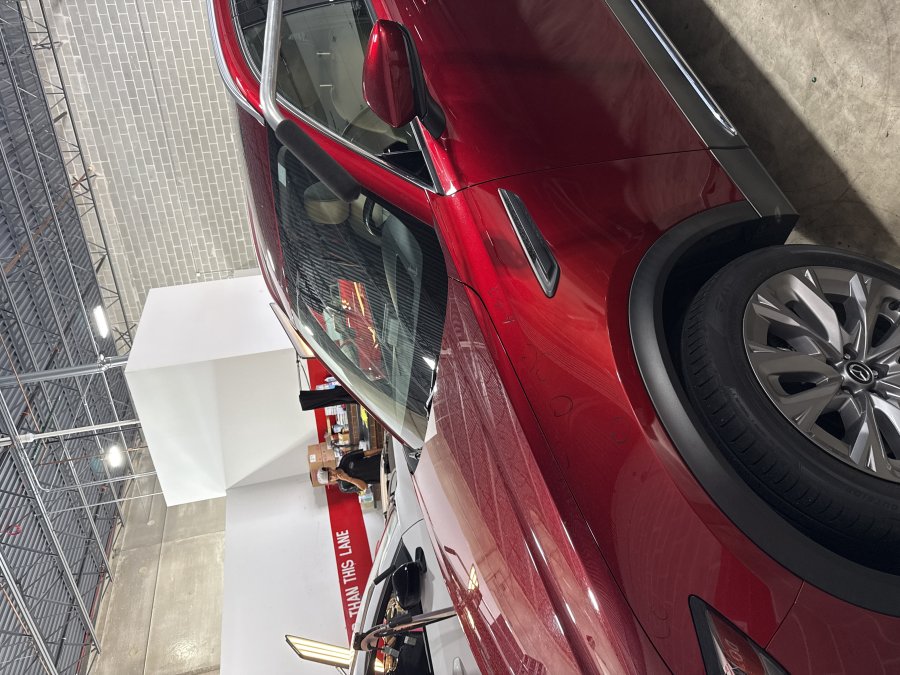
Where Hail Damage Typically Appears
Hail strikes the highest points of your vehicle first. Your roof bears the brunt of most storms, followed by the hood, trunk lid, and upper door panels. The windshield and windows may show damage too, small pits or cracks that compromise visibility and safety.
Lower panels like rocker panels and bumpers typically escape hail damage unless the storm was severe or wind-driven. Side mirrors and headlight covers are vulnerable due to their protruding shape and exposed angles.
Signs of Severe vs. Minor Damage
Minor hail damage appears as small, shallow dents, typically under half an inch deep. These dents don't affect paint and respond well to paintless repair.
Severe damage includes deep creases, paint cracking or peeling, and dents larger than one inch.
Run your fingers gently across damaged areas to assess depth. Look for paint damage under good lighting. If you see exposed metal or primer, the damage is beyond minor.
The Hail Damage Insurance Claim Process
Filing an insurance claim for hail damage is straightforward when you understand the steps. Most comprehensive policies cover hail damage with minimal deductibles, and many insurers waive deductibles for weather events in your area. Contact your insurance company within 24-48 hours of the storm to report the damage.
Documentation and Photo Evidence
Your photos are critical evidence. Capture wide shots showing the overall vehicle and multiple damaged panels. Then take close-ups of individual dents, showing depth and distribution.
Create a written inventory listing each damaged panel and describing the damage type (dent, crease, paint damage). Note the date and time of the storm if possible. Keep all documentation organized in one folder, digital or physical, for easy reference during the claims process.
Working with Your Insurance Adjuster
Your insurance company will assign an adjuster to inspect the damage and estimate repair costs. Be present during this inspection. Point out all damage you've documented, including areas that might be missed on a quick walkthrough.
Ask your adjuster which repair shops they recommend or if they have preferred vendors. Many insurers work directly with repair facilities, which simplifies the payment process. If you choose a repair shop not on their list, confirm they'll accept direct insurance payment before committing.
Getting a Hail Damage Repair Estimate
A professional repair estimate provides a detailed breakdown of work, timeline, and costs. Most shops offer free estimates, so gather multiple quotes before deciding. This comparison helps you understand pricing variation and identify the best value for your specific damage.
What a Professional Estimate Includes
A comprehensive estimate lists each damaged panel, repair method (PDR or traditional), labor hours, and parts if needed. It should specify whether the repair preserves your original paint or requires repainting. The estimate includes warranty terms, what's covered and for how long.
Quality estimates also note any additional damage discovered during the repair process. Hail sometimes causes hidden damage inside door panels or under trim that only becomes visible once work begins.
Comparing Multiple Estimates
Request estimates from at least two or three repair facilities. Compare not just the total cost but the scope of work and warranty offered. A lower estimate might mean less thorough work or a shorter warranty.
Ask each shop about their paintless dent repair capability and experience with insurance claims. Shops with strong insurance relationships often simplify the approval and payment process.
Paintless Dent Repair: How It Restores Your Vehicle
Paintless Dent Repair (PDR) is a specialized technique that removes hail damage without repainting. Technicians access the back of damaged panels using specialized tools, carefully manipulating the metal back to its original shape.
The PDR process begins with assessment. Technicians examine the dent pattern, depth, and location to determine if PDR is viable.
During repair, technicians use precision tools to apply controlled pressure from behind the panel. This work requires significant skill and experience.
When PDR Works Best
PDR works best for dents without paint damage, moderate depth (typically under one inch), and flexible metal panels. Roofs, hoods, doors, and trunk lids are ideal candidates. PDR also works on fenders and side panels unless the damage is severe or the metal is creased.
Hail damage covering large areas of your vehicle is still suitable for PDR, technicians simply work systematically across all affected panels. The technique handles multiple overlapping dents efficiently.
Preserving Your Vehicle's Original Finish
Your vehicle's factory paint is irreplaceable. It was applied under controlled conditions with specific materials and techniques. PDR preserves this finish, maintaining your vehicle's original color and texture. This preservation directly supports resale value, buyers recognize and value original paint.
Traditional body shop repairs require sanding and repainting, which changes the paint's thickness and finish. Even expert repainting can show slight color variations under certain lighting. PDR eliminates these concerns by leaving the original paint untouched.
How Long Does Hail Damage Repair Take?
Repair timeline depends on damage extent, repair method, and shop capacity. Minor hail damage might take one to two days. Extensive damage affecting multiple panels could require one to two weeks. Understanding these timelines helps you plan transportation alternatives and manage expectations.
Factors That Affect Repair Timeline
The number of damaged panels directly impacts timeline. A vehicle with 20 dents takes longer than one with five. The depth and location of dents matter too, dents in difficult-to-access areas require more careful work.
Shop workload affects scheduling. During peak hail season, repair shops may have weeks-long backlogs. Weather also impacts work, shops cannot perform quality PDR or painting during rain or extreme temperatures. Your repair shop should provide a realistic timeline based on current capacity and your damage assessment.
Keeping Your Vehicle Mobile During Repairs
Most repair shops offer loaner vehicles or rental car arrangements while your vehicle is being repaired. Hail Inc. provides complimentary rental vehicles to keep you mobile without interruption to your daily routine.
If you need your vehicle during repair, discuss this with your shop upfront. Some facilities can prioritize your repair or work around your schedule. Others might complete the most critical repairs first, allowing you to use the vehicle while final touches are completed.
Choosing the Right Hail Damage Repair Service
Selecting a qualified repair facility is crucial for quality results and hassle-free claims handling. Not all shops have equal expertise in hail damage repair or insurance coordination. Your choice directly impacts repair quality, timeline, and your overall experience.
Certified Technicians and Warranty Protection
Look for shops with certified technicians specializing in paintless dent repair. Certifications from PDR organizations demonstrate training and expertise. Ask about warranty coverage, quality shops stand behind their work with warranties covering the repaired areas.
Hail Inc. employs certified technicians with extensive experience in hail damage restoration. Our team understands the nuances of PDR and traditional repair, selecting the best approach for your specific damage. We back all work with a lifetime warranty, ensuring your repair holds up long-term.
Direct Insurance Coordination
Working with a shop that coordinates directly with insurance simplifies the entire process. These shops understand insurance requirements, documentation, and approval processes. They handle communication with your adjuster, reducing your involvement and stress.
Shops with strong insurance relationships often expedite approvals and simplify payment. Some insurers have preferred vendor programs that further simplify the process. Ask potential repair shops about their insurance coordination experience and preferred insurers they work with regularly.
Protecting Your Vehicle After Repair
Once your hail damage repair is complete, protect your vehicle from future damage. Covered parking or a garage provides the best protection during hail season.
Regular maintenance after repair ensures your vehicle stays in top condition. Wash your vehicle gently to avoid scratching the repaired finish.
Stay informed about hail forecasts during severe weather season. Most weather services issue hail warnings in advance of major storms.
Hail damage can feel overwhelming, but modern repair techniques and insurance coverage make restoration straightforward.
Frequently Asked Questions
How do I know if my vehicle has hail damage?
Hail damage typically appears as small, round dents across your vehicle's exterior surfaces, especially the hood, roof, and trunk. Unlike impact dents, hail dents are usually uniform in size and scattered across panels. Look for areas where the paint remains intact but the metal is indented. If you're unsure, a professional inspection can confirm whether your vehicle experienced hail damage and assess the extent of repair needed.
What is paintless dent repair and how does it work?
Paintless dent repair (PDR) is a technique that removes dents without repainting the vehicle. Technicians use specialized tools to carefully massage and reshape the metal from behind the dent, restoring your vehicle's original appearance while preserving the factory finish. PDR works best on dents without paint damage and is ideal for hail damage because it maintains your vehicle's resale value and original factory coating.
How long does hail damage repair typically take?
Repair time depends on the extent of damage and the number of dents. Minor hail damage may take a few days, while extensive damage affecting multiple panels could take one to two weeks. The complexity of each dent, access to affected areas, and insurance claim coordination all influence the timeline. Professional repair services can provide a specific estimate after inspecting your vehicle and assessing the damage.
Will my insurance cover hail damage repair?
Most comprehensive auto insurance policies cover hail damage after you pay your deductible. The extent of coverage depends on your specific policy and whether you carry comprehensive coverage. Filing a claim typically involves documenting the damage with photos, contacting your insurance company, and scheduling an adjuster inspection. Working with a repair shop that coordinates directly with your insurance company can simplify the claims process and help ensure your coverage is maximized.
Can I drive my vehicle while repairs are being completed?
Many professional hail damage repair services offer complimentary rental vehicles or valet pickup and drop-off to keep you mobile during repairs. This ensures you're not without transportation while your vehicle is being restored. Ask your repair shop about their vehicle accommodation options when scheduling your appointment. This service is especially valuable for busy professionals who depend on their vehicles daily.
Does paintless dent repair affect my vehicle's resale value?
Yes, paintless dent repair actually helps preserve your vehicle's resale value better than traditional body shop repairs. Since PDR maintains your factory finish without repainting, it keeps your vehicle in its original condition, which buyers value highly. Vehicles with factory finishes typically command better resale prices than those with repainted panels. Professional PDR is an investment in your vehicle's long-term value.
What happens if hail damage repair doesn't hold up over time?
Reputable hail damage repair shops stand behind their work with warranties covering the durability of repairs. A lifetime warranty means you're protected if dents reappear or repairs fail. Before choosing a repair service, ask about their specific warranty terms, what's covered, and how to file a claim if issues arise. This protection gives you peace of mind that your investment in repairs is secure.