 How-to
What Happens During a Hail Damage Appraisal in Arvada
Last Updated: November 4, 2026
Quick Summary
A hail damage appraisal is a close inspection of your vehicle to find every dent, crease and paint mark left by hail, then estimate what it costs to fix them. Technicians use a bright, angled light across each panel, map and photograph each damaged spot, and decide which dents can be repaired with paintless dent repair.
- The light inspection, using bright angled light across each panel, is the most important step.
- Each damaged spot is marked, sized, recorded and photographed.
- Paintless dent repair is generally preferred when the paint is intact.
- You receive a written estimate listing each damaged area; read it before you leave.
- Clean the car and gather your policy and claim numbers before the appraisal.
Table of Contents
- What a Hail Damage Appraisal Is and Why It Matters
- How to Prepare for a Hail Damage Inspection
- Step-by-Step: What Happens During the Inspection
- Hail Damage Appraisal Checklist for Arvada Vehicle Owners
- How Long a Hail Damage Appraisal Takes
- Hail Damage Estimate Explained: Reading Your Report
- Booking Your Hail Damage Appraisal With Hail Inc.
- Frequently Asked Questions
What a Hail Damage Appraisal Is and Why It Matters
A hail damage appraisal is a close inspection of your vehicle to find every dent, crease and paint mark left by hail, then to estimate what it costs to fix them. The steps below follow what you can expect when you bring your car in.
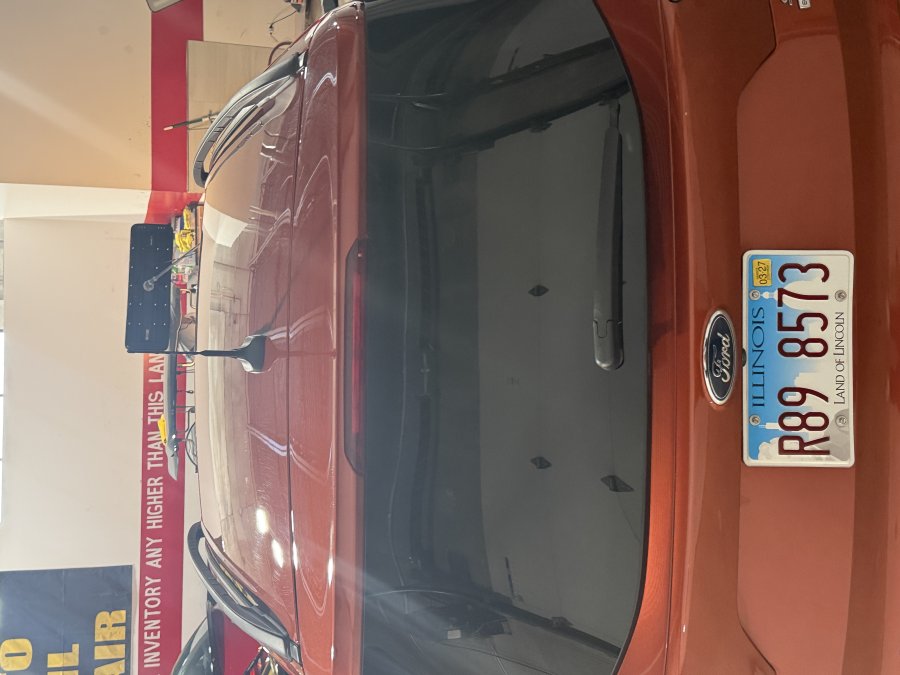
The appraisal matters because the written estimate decides how the repair is paid for. A complete, accurate estimate helps you avoid surprises later and gives your insurance company a clear picture of the damage.
Most drivers assume every dent looks the same. It does not. Some hail marks sit on the surface, while others press into the metal in ways that are easy to miss. A careful appraisal catches both.
How to Prepare for a Hail Damage Inspection
Preparation makes the appraisal faster and the results easier to trust. Before you arrive, gather a few basics:
- Your insurance policy number and claim number, if you have one
- The vehicle's registration and title details
- Recent photos of the car taken in daylight, showing the damaged areas
- Any earlier repair records for the same panels
- A list of questions you want answered
Clean the car before the appraisal. Dirt and water can hide small dents. Park the vehicle somewhere with good natural light, and leave the windshield wipers and trim as they are.
Step-by-Step: What Happens During the Inspection
Every appraisal follows a clear sequence. Knowing the order helps you stay calm, ask the right questions, and spot the moment when the process shifts from inspection to negotiation.
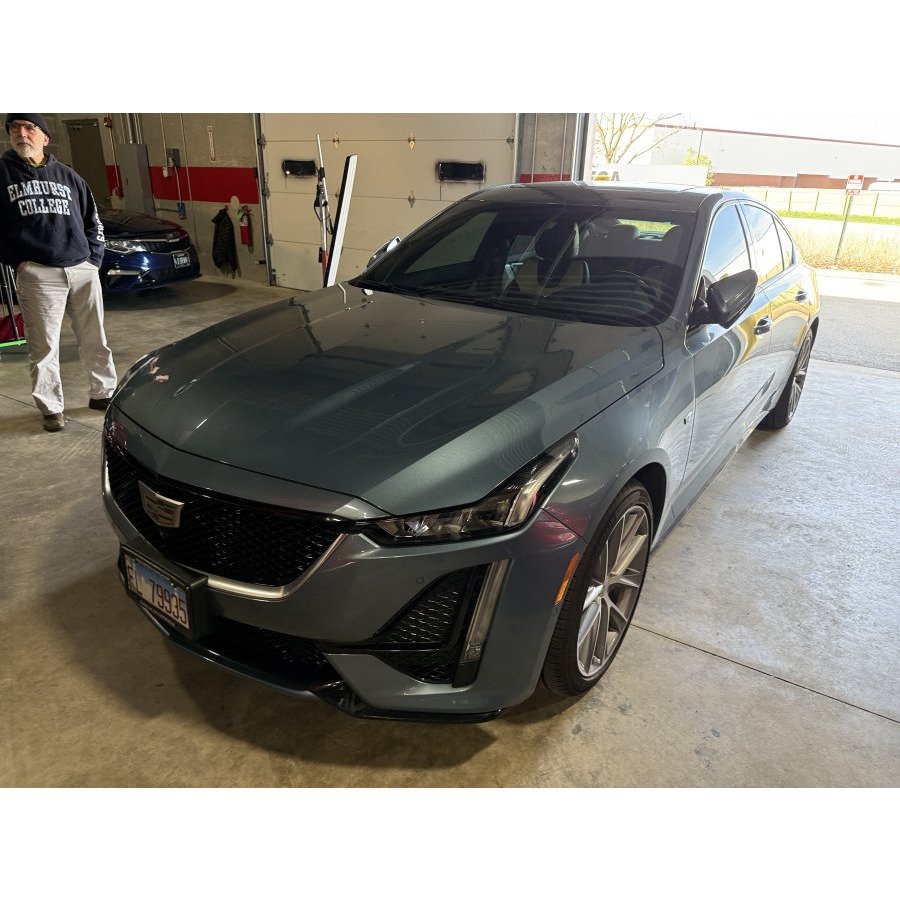
- Check-in and walkaround. The technician confirms your details, your claim number if you have one, and walks around the vehicle to note overall condition. This is also when you should mention any panels you are unsure about, so they get extra attention.
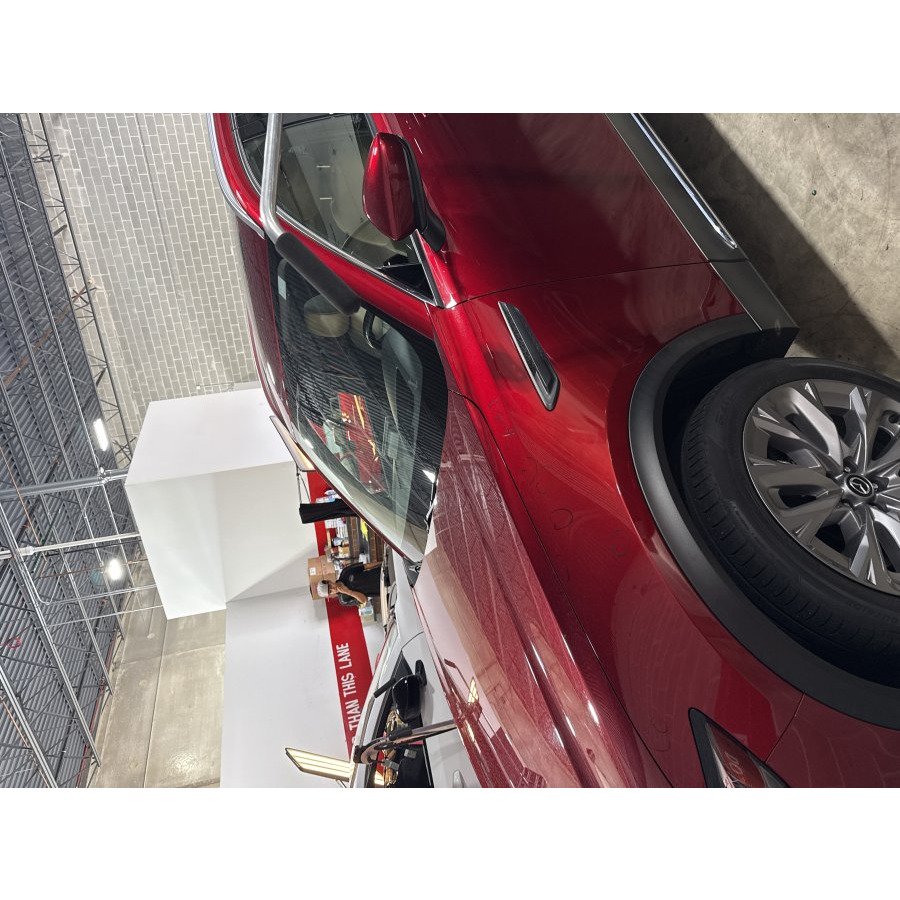
- Light inspection. The technician uses a bright, angled light, often a dedicated dent light or a strip light held at a low angle, swept across each panel. Flat overhead light hides shallow dents; angled light reveals them. This is the single most important step, and it is why a quick look in a parking lot is not a substitute for an appraisal.
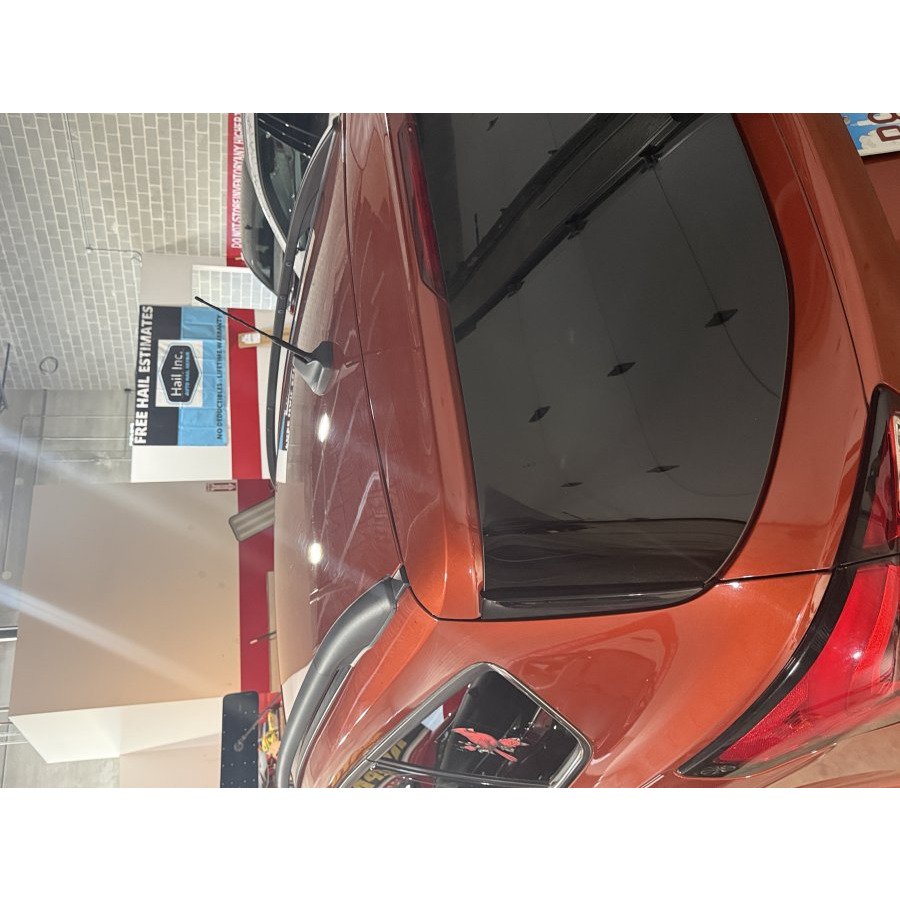
- Panel-by-panel mapping. Each damaged spot is marked, sized, and recorded. Roofs, hoods, trunks, and door panels are checked one at a time.
- Photo documentation. Close-up and wide photos are taken of every damaged area, and the photos become part of your records.
- Repairability review. The technician decides which dents can be repaired with paintless dent repair (PDR) and which may need other work. PDR is generally preferred when the paint is intact because it preserves the factory finish; dents with cracked or stretched paint usually need refinishing or panel replacement.
- Written estimate. You receive a report that lists each damaged area and the recommended repair. Read it before you leave so you can ask about anything that looks missing.
Where the Appraisal Clause Fits In
Most auto policies contain an appraisal clause, a contract provision that lets you and your insurer each appoint a competent, independent appraiser when you disagree on the amount of loss. The two appraisers then try to agree; if they cannot, an umpire is chosen and the decision of any two of the three is binding. The clause is the primary legal tool for resolving a dispute over hail damage amount, and it is separate from the repair process itself.
A few practical points most drivers do not know:
- The appraisal clause typically addresses the amount of loss, not whether the damage is covered. Coverage disputes and amount disputes follow different paths.
- Each side usually pays its own appraiser, and the umpire's fee is commonly split. Ask your insurer to confirm the cost-sharing terms in writing before you invoke the clause.
- Invoking the clause is usually done in writing. Keep a dated copy of every letter or email.
- An independent appraisal is not the same as the insurer's adjuster visit. The adjuster works for the insurer; an independent appraiser is retained by you and owes you a neutral, documented opinion.
How This Differs From the Insurer's Adjuster Visit
The insurer's adjuster will typically inspect the vehicle, write an estimate using the insurer's own pricing database, and either approve repairs or issue a payment. That estimate is a starting point, not a final number. If your independent appraisal finds damage the adjuster missed, hidden dents on the roof, damage under trim, or dents the adjuster judged non-repairable, the difference becomes the basis for a supplement or, if the gap persists, for invoking the appraisal clause.
Visual Identification of Hidden Hail Damage
Some hail damage is hard to spot. Look for these signs:
- Small, soft dips that catch light differently than the panel around them
- Ripples or waves in the metal, especially along the roof edges
- Paint that looks slightly dull or chalky in one spot
- Dents on the lower panels, which often get hit by hail that bounces off the ground
- Damage along trim channels, window seals, and the base of the windshield, where hail can strike at an angle
If you can, walk around your car in the early morning or late afternoon, when the low sun shows the uneven spots more clearly.
The inspection follows a clear sequence, from check-in through to the written estimate.
| Step | What happens | Note |
|---|---|---|
| Check-in and walkaround | Technician confirms details and notes overall condition | Mention uncertain panels early |
| Light inspection | Bright, angled light swept across each panel | Most important step |
| Panel-by-panel mapping | Each damaged spot marked, sized and recorded | Roof, hood, trunk, doors checked one at a time |
| Photo documentation | Close-up and wide photos of every damaged area | Photos become part of your records |
| Repairability review | Decide between paintless dent repair and other work | PDR preferred when paint is intact |
| Written estimate | Report lists each damaged area and recommended repair | Read it before you leave |
Hail Damage Appraisal Checklist for Arvada Vehicle Owners
Use this checklist before and after your appraisal:
- Gather your policy and claim numbers
- Take daylight photos of each damaged area
- Clean the vehicle, including the roof and hood
- Ask how many dents were found and where
- Confirm whether PDR is recommended for each area
- Ask what happens if the insurance estimate differs
- Keep a copy of the written report and all photos
Keeping organized records helps if an insurance claim moves slowly.
How Long a Hail Damage Appraisal Takes
Plan for the report to follow shortly after the inspection. For the bigger picture of total repair time, see How Long Does Hail Repair Take: Timeline & Process.
Hail Damage Estimate Explained: Reading Your Report
Your estimate is not a single number, it is a line-by-line document, and the line items are where disputes usually start. Here is how to read the report.
The Parts of the Estimate
- Location: Which panel or area is affected.
- Damage type: Dent, crease, or paint damage. The type drives which repair method is priced.
- Size and count: How many marks and how big they are.
- Repair method: PDR, refinishing, or panel replacement. Each method carries different labor operations.
- Labor operations: The time and procedure priced for each repair. This is the part most drivers skip, and it is the part insurers scrutinize most.
- Notes: Any special conditions or limits the technician found, for example, a panel that is partially inaccessible without removing trim.
Estimate vs. Appraisal, Why the Numbers Differ
An estimate is a prediction of repair cost. An appraisal is a documented opinion of the amount of loss, usually prepared by an independent appraiser. They can differ for legitimate reasons: the insurer's estimate may use a different labor rate, may exclude certain operations, or may judge a dent repairable when your appraiser judges it not repairable without refinishing. Neither number is automatically 'right', the question is whether each line item is supported by the damage.
Supplements: The Normal Way Estimates Change
A supplement is a revised estimate that adds damage found after the original estimate was written, often once panels are disassembled or once a second inspection is done. Supplements are routine in hail claims, not a sign that something went wrong. The key is documentation: photos, panel maps, and a written explanation of why the additional work is needed. If your insurer resists a supplement, the appraisal clause is the next step.
A Practical Way to Read the Report
- Read the estimate line by line and compare it with your own photos.
- For each panel, confirm the count and size match what you see.
- Check whether the repair method matches the damage type, a dent with cracked paint priced as PDR is worth questioning.
- Ask which labor operations are included and which are not.
- If something looks missing, ask about it before you sign anything.
Watch out: an estimate that is unusually low often reflects omitted line items rather than a better price, compare the operations, not just the total.
If your insurance estimate comes in lower than expected, the next steps are explained in What Happens If Your Insurance Estimate Is Too Low?
Booking Your Hail Damage Appraisal With Hail Inc.
Ready to schedule? Hail Inc. makes booking simple. Check our Service Area page to confirm we serve your neighborhood, then request an appointment online. Bring your policy details and photos so your appraisal starts on the right foot.
Schedule an Online Appointment with Hail Inc. today. Our certified technicians will walk you through every step of your hail damage appraisal in Arvada.
Frequently Asked Questions
What happens during a hail damage appraisal?
A hail damage appraisal is an inspection in which a trained technician examines every panel of your vehicle for dents, creases, and paint damage. The inspector examines the vehicle for dents, creases, and paint damage.
How long does a hail damage appraisal take?
Scheduling an online appointment with Hail Inc. is the way to book an inspection.
Can I prepare my car before a hail damage appraisal?
Yes. Gather your insurance policy number and any prior photos of the car, and keep your claim paperwork handy.
What should I do if I disagree with the hail damage estimate?
Compare the estimate against your policy's coverage terms, and ask your insurance company about the appraisal clause if the disagreement remains unresolved. Hail Inc. works directly with insurance companies to manage claims.