 how-to
What Happens If Your Insurance Estimate Is Too Low?
Last Updated: October 24, 2026
Quick Summary
If your insurance estimate is too low, you can dispute it by requesting a re-inspection with photos, a written list of missed damage, and a second professional opinion. The estimate is a starting offer, not a final bill, and most claims get revised upward through the supplement process before work begins.
- Do not authorize repairs before the dispute is resolved, or the insurer has less reason to revise.
- Send one complete document packet at once rather than submitting items in pieces.
- A written repair breakdown from a specialist carries the most weight with insurers.
- Get any approval in writing and never rely on a verbal yes.
- For each rejected line item, ask what the insurer would need to see to approve it.
Table of Contents
- Why an Insurance Estimate Can Come In Too Low
- How to Dispute an Auto Insurance Estimate
- Documents Needed for an Insurance Estimate Review
- The Insurance Estimate Supplement Process, Step by Step
- How Long Does an Insurance Supplement Take?
- What Happens If the Insurer Approves Only Part of the Repair Plan
- Schedule an Online Appointment with Hail Inc.
- Frequently Asked Questions
Why an Insurance Estimate Can Come In Too Low
An insurance estimate that comes in too low is an initial repair valuation that misses damage the adjuster did not see or did not write for. The estimate is a starting offer, not a final bill. Insurers know this, and most claims get revised upward before the work is done.
Here at Hail Inc., we review these estimates every week for drivers across Arvada, CO and the Front Range. The pattern is consistent. A first pass written in a driveway, often in poor light, leaves out panels the adjuster never opened.
That gap matters because you are not obligated to accept the first number. Colorado law gives you the right to a fair settlement for covered damage. The Colorado Division of Insurance consumer guide explains how the claims process works and what to do when you disagree with a valuation.
Common Gaps in a Hail Damage Estimate
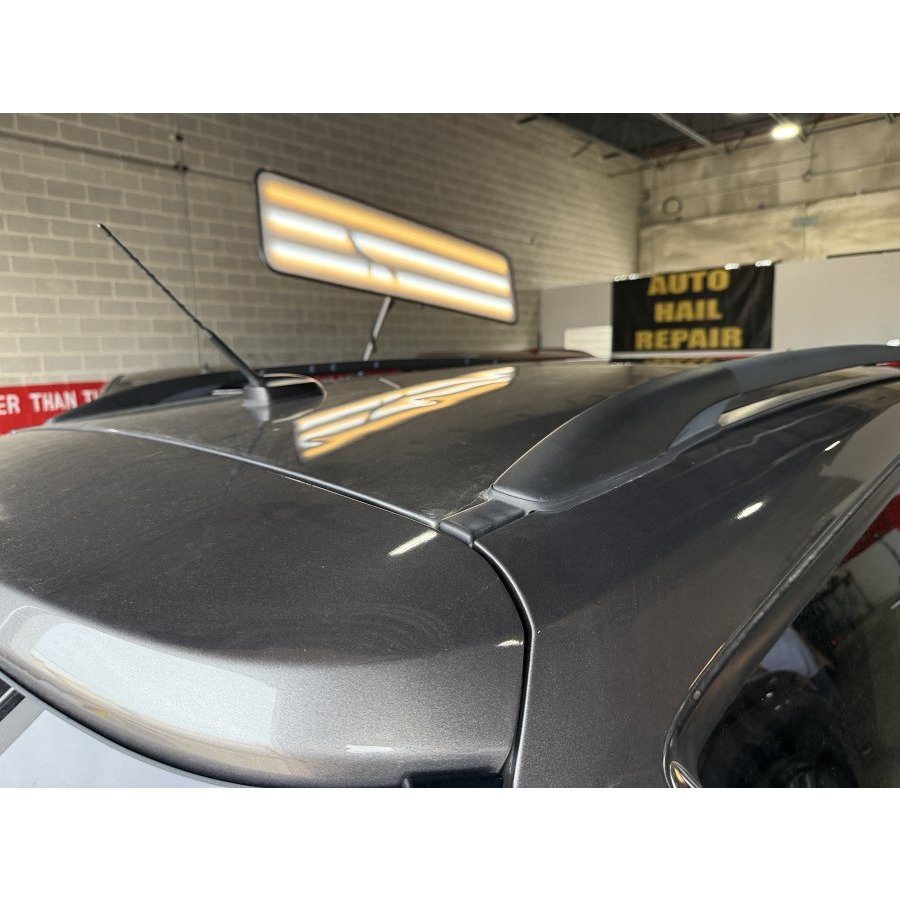
Hail damage is hard to see until you look closely. Small dents on a horizontal panel can hide in reflection. Adjusters working fast miss things. So do body shops that do not specialize in this work.
The usual gaps include:
- Dents on the roof or hood that only show under angled light
- Damage to trim, moldings, or window surrounds
- Blended paint work the estimate never listed
- Labor hours set too low for the real repair
- Missed panels on the same side of the vehicle
A common mistake is treating the first estimate as final. It is not. It is an opening position.
How to Dispute an Auto Insurance Estimate
You dispute an auto insurance estimate by asking for a re-inspection and backing that request with photos, a written list of missed damage, and a second professional opinion. Start with a phone call. Keep it calm and specific.
Insurers respond to evidence, not frustration. Come with documentation and the conversation moves faster.
What to Say on the First Call
Keep it short and factual. Try something like this:
"I had the vehicle inspected by a repair specialist. They found damage your estimate does not include. I have photos and a written breakdown. Can we schedule a re-inspection?"
Then stop talking. Let the adjuster respond. Write down the name, the date, and what they told you.
Watch out: do not authorize repairs before the dispute is resolved. Once work starts, the insurer has less reason to revise the estimate.
If you want a deeper walkthrough of that conversation, see our guide on how to handle an insurance hail claim adjuster.
Documents Needed for an Insurance Estimate Review
A complete document packet is what turns a complaint into a revision. Insurers need proof, and proof means photos, a written itemization, and a professional opinion.
Gather these before you call:
- Photos of every damaged panel, shot in daylight from several angles
- A close-up of each dent with something for scale
- The original estimate, page by page
- Your policy declaration page
- A written repair breakdown from a specialist
- Your claim number and the adjuster's contact details
Keep copies of everything. Send documents by email so you have a record.
A written breakdown from a repair specialist carries the most weight. It lists panels, labor, and materials in the same language the insurer uses.
The Insurance Estimate Supplement Process, Step by Step
The supplement process is how an estimate gets revised. A supplement is a formal request to add damage and cost to an existing claim. It is routine, and insurers expect them.
Here is the sequence:
- Request a re-inspection. Ask the insurer to send the adjuster back out, or to review new photos.
- Submit the specialist's written breakdown. Include photos with each line item.
- The adjuster reviews and responds. They may approve, partly approve, or push back.
- Negotiate the difference. Point to specific line items, not general complaints.
- Get the approval in writing. Never rely on a verbal yes.
- Repair begins. If more damage appears during teardown, a second supplement follows.
If you want the full picture of what comes after approval, our auto hail repair process guide walks through each stage.
How Long Does an Insurance Supplement Take?
An insurance supplement usually takes a few days to a few weeks, depending on the insurer and how complete your paperwork is. Simple photo-based revisions move fastest. Ones that need a second in-person inspection take longer.
What slows it down:
- Incomplete photos
- A vague written breakdown
- Back-and-forth over labor rates
- Adjuster scheduling delays during storm season
What speeds it up:
- One clear packet sent at once
- Daylight photos with scale references
- A specialist who writes estimates in insurer language
In practice, the claims that drag are the ones submitted in pieces. Send everything together and follow up once a week.
What Happens If the Insurer Approves Only Part of the Repair Plan
A partial approval is common, and it does not mean you are stuck. It means the insurer accepted some line items and rejected others. You can push back on the rejected ones with more evidence.
First, get the partial approval in writing. Then compare it line by line against the specialist's breakdown. For each rejected item, ask one question: what would you need to see to approve this?
Sometimes the answer is a photo. Sometimes it is a second opinion. Sometimes the insurer is simply wrong, and a clear written explanation changes the outcome.
You also have a say in who does the work. Our guide on choosing your own repair shop for hail damage explains your options. And if you are worried about a shortfall, read up on avoiding surprise out-of-pocket costs on auto repairs before you sign anything.
Watch out: a partial approval can quietly shift cost to you if you do not read the line items. Compare every number.
| Situation | What It Means | Your Next Step |
|---|---|---|
| Full approval | All line items accepted | Schedule repair |
| Partial approval | Some items rejected | Request written reasons per item |
| Denial | Claim rejected outright | Ask for the policy clause cited |
| No response | Adjuster has not replied | Follow up in writing, keep a log |
Schedule an Online Appointment with Hail Inc.
The estimate gap is fixable, and you do not have to argue it alone. At Hail Inc., we work directly with insurers on hail claims every day, and we handle the supplement paperwork for you. Our certified technicians use paintless dent repair to restore panels without filler or repainting, which protects your vehicle's resale value. We also offer valet pickup and drop-off around Arvada and the surrounding area, plus a lifetime warranty on our work.
If you are ready to move forward, book service and get your repair handled online in a few minutes.
Frequently Asked Questions
What should I do if my insurance estimate is too low?
Do not cash the check or authorize repairs yet. Ask the insurer for the full estimate line by line and compare it against your own documentation: photos of every panel, a repair shop's written assessment, and your policy's coverage terms. Then request a review in writing and, if needed, have a shop submit a supplement. In Colorado, you can also ask about the appraisal clause in your policy, which lets each side hire an independent appraiser when the amount is disputed.
What documents should I send to support a higher insurance estimate?
Send dated photos of the damage from multiple angles, including close-ups and wide shots showing location on the vehicle. Add any repair shop estimate or inspection report, your claim number and policy number, a written list of damaged panels, and notes on anything the adjuster may have missed, such as dents on the roof or pillars. Keep copies of everything and send it by email or the insurer's portal so you have a record of the submission date.
Can a repair shop submit a supplement to the insurance company?
Yes. A repair shop can submit a supplement, which is a request to adjust the original insurance estimate after hidden or additional damage is found. The shop documents the extra damage, sends it to the adjuster, and the insurer reviews and approves or denies the additional amount. Choosing a shop that handles supplements directly saves you from relaying paperwork back and forth and keeps the timeline moving.
How long does an insurance supplement take?
Timelines vary by insurer and claim volume, but a supplement often takes several business days to a few weeks from submission to decision. Factors include how quickly the adjuster can review photos or reinspect the vehicle, whether the shop's documentation is complete, and whether the insurer requests more information. Submitting clear photos and a written breakdown on the first pass is the surest way to avoid delays.
A low estimate is a starting point, not a verdict. The drivers who get fair settlements are the ones who document carefully and ask for a revision in writing. If you would rather hand that work to someone who does it daily, get started with Hail Inc. and let our team manage the claim, the supplement, and the repair from pickup to delivery.