 blog
Top 7 Signs Your Car Needs Professional Hail Damage Inspection
Table of Contents
- Why Professional Hail Damage Inspection Matters
- Sign 1: Visible Dents Across Your Hood and Roof
- Sign 2: Cracked or Pitted Paint and Clear Coat Damage
- Sign 3: Dents on Gutters, Trim, and Molding
- Signs of Hail Damage on a Car: Subtle Indicators You Might Miss
- How to Inspect a Car for Hail Damage: A Step-by-Step Approach
- Understanding the Hail Damage Insurance Claim Process
- Paintless Dent Repair in Arvada: Restoring Your Vehicle's Value
- Frequently Asked Questions
Last Updated: October 20, 2026
Why Professional Hail Damage Inspection Matters
When hail strikes your vehicle, the damage isn't always obvious at first glance. What looks like a few minor dents on the surface could hide serious problems underneath. A professional hail damage inspection reveals the full extent of what happened to your car. This is why understanding the signs your car needs professional hail damage inspection is so important for every vehicle owner in Arvada and the surrounding areas.
At Hail Inc., we help car owners navigate the inspection process. Many people delay getting checked because they think the damage is minor. But insurance companies require a thorough assessment before approving repairs. The longer you wait, the harder it becomes to document what hail caused versus normal wear and tear.
A professional inspection protects you in two ways. First, it ensures you don't miss damage that could worsen over time. Second, it gives you the documentation you need for your insurance claim. Without it, you might end up paying out of pocket for repairs that should be covered.
Sign 1: Visible Dents Across Your Hood and Roof
The most obvious sign your car needs professional hail damage inspection is dents you can see with your own eyes. Hail typically creates a pattern of dents across the highest points of your vehicle. Your hood and roof take the brunt of the impact during a storm.
These dents vary in size and depth. Some might be shallow dimples. Others could be deep enough to catch your fingernail. The pattern usually looks random, scattered across the surface rather than concentrated in one spot.
What makes this sign clear is that you don't need special tools to spot it. Step back from your car on a sunny day. Look at the hood and roof from different angles. If you see multiple dents that weren't there before the storm, that's your first indicator.
The challenge is that hail damage dents can be deceptive. A dent that looks small from one angle might be deeper than you think. Professional technicians use specialized lighting and tools to measure the exact depth of the damage.
Sign 2: Cracked or Pitted Paint and Clear Coat Damage
Beyond dents, hail can damage your car's paint and clear coat. This is where many car owners miss the signs. You might not notice the damage until you're washing your car or looking at it in bright sunlight.
Hail impact can create small cracks in the clear coat layer that protects your paint. These cracks look like tiny lines or spiderwebs across the surface. The paint underneath might also show pitting, which appears as small divots or rough spots.
This type of damage matters more than people realize. The clear coat isn't just for appearance. It protects your paint from oxidation and UV damage. When it's compromised, rust can develop underneath. What starts as cosmetic damage can become structural if left untreated.
Run your hand gently across the affected areas. You might feel slight roughness or texture that wasn't there before. In some cases, you'll see discoloration where the paint has been compromised.
Professional inspection catches this damage early. Technicians examine the paint under magnification and specialized lighting.
Sign 3: Dents on Gutters, Trim, and Molding
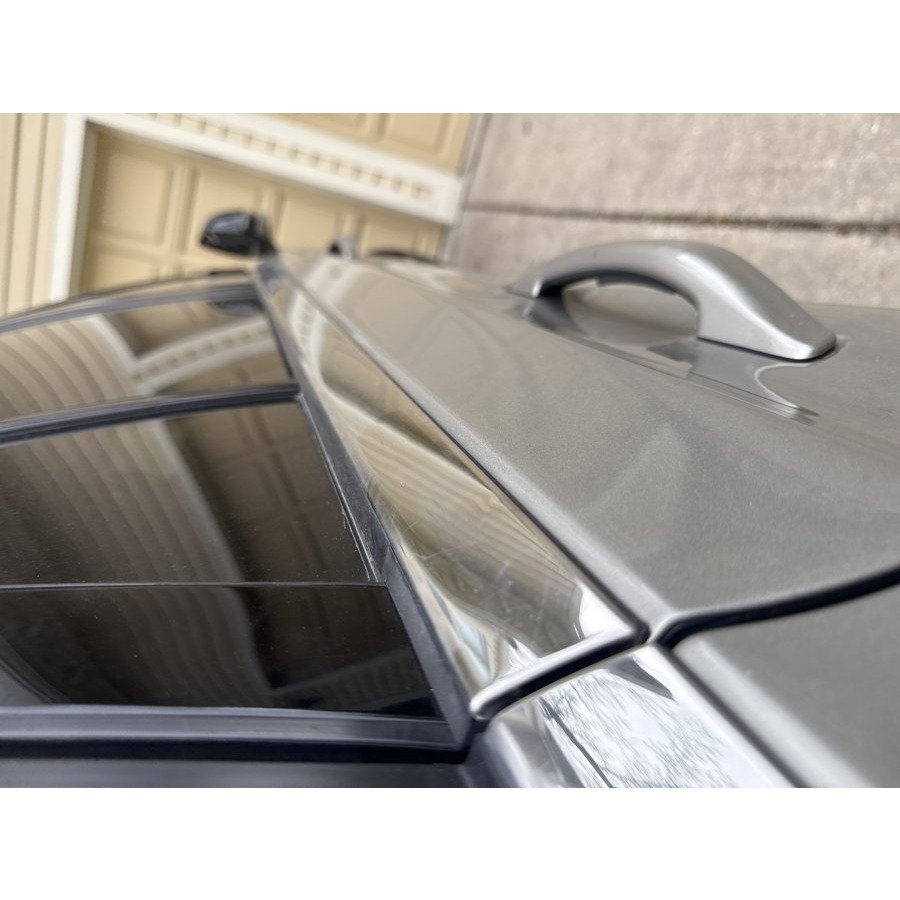
Hail doesn't just hit your hood and roof. It strikes every exposed surface on your vehicle. The gutters, trim, and molding around your doors and windows are vulnerable targets.
Look at the plastic trim pieces that run along your windows and doors. Check the rubber seals and weatherstripping. Hail can dent metal trim and crack plastic components. These pieces serve a purpose beyond looks. They direct water away from your doors and windows.
Damaged trim can allow water to seep into your vehicle. This leads to rust, mold, and electrical problems. A professional inspection checks these vulnerable areas that you might overlook.
The gutters that run along your roofline are especially important. Hail can dent them significantly. Bent gutters don't direct water properly, which means water pools on your roof or runs down your windows instead of away from your vehicle.
These secondary damage areas often get missed because they're not as visible as dents on your hood. But they're just as important for your insurance claim and for protecting your vehicle long term.
Signs of Hail Damage on a Car: Subtle Indicators You Might Miss
Not all hail damage is obvious. Some signs are subtle enough that you could drive past them every day without noticing. These are the damage markers that separate thorough inspections from quick glances.
Sunken spots on your roof. Hail can create depressions that don't look like traditional dents. They appear as areas where the metal seems to sink inward slightly.
Paint discoloration or fading. Where hail has impacted the paint, you might see areas that look slightly different in color or texture. This happens because the impact disturbs the paint layers.
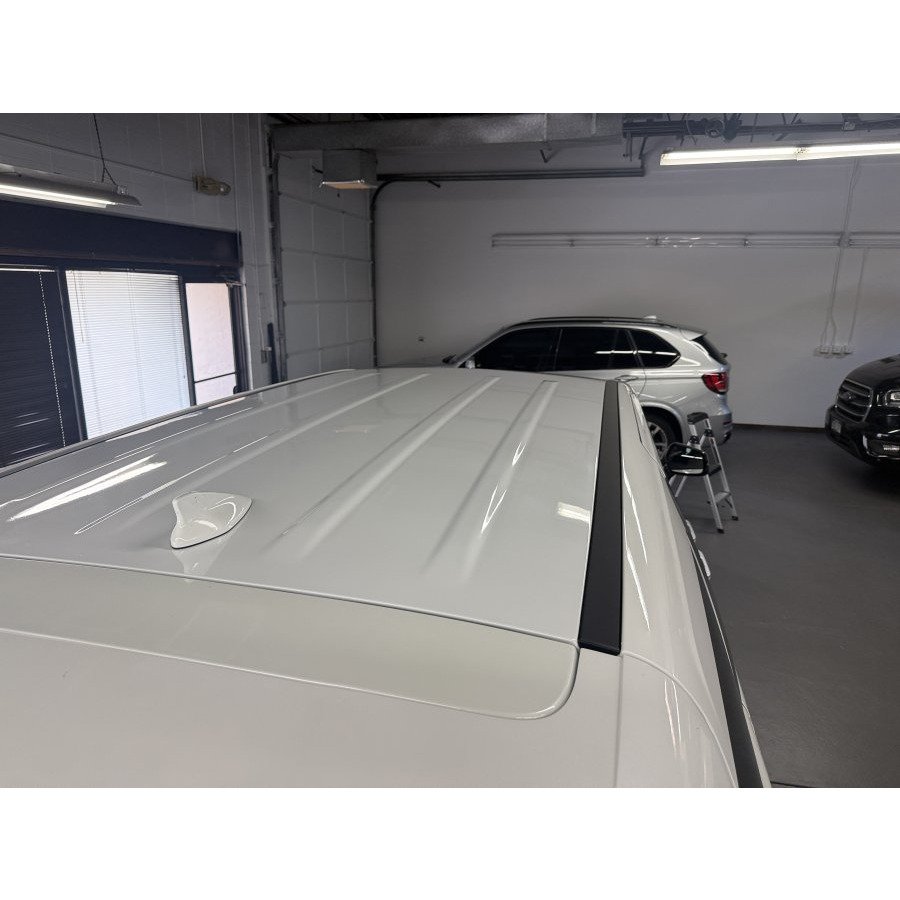
Damage to your antenna or trim pieces. Small metal or plastic components on your car are easy targets for hail. Check your antenna, mirrors, and trim pieces for cracks or dents.
Hail marks on your windows. While your windshield and windows are designed to resist hail, severe storms can create small impact marks.
Damage to your headlights and taillights. Hail can crack the plastic lens covers on your lights. Even small cracks can allow moisture inside, causing the lights to fail.
Dented door panels. Open your doors and look at the sides. Hail can create dents along the body panels that might not be immediately visible when the doors are closed.
These subtle signs matter because they add up. An insurance adjuster will look for all of them when determining the scope of your claim.
How to Inspect a Car for Hail Damage: A Step-by-Step Approach
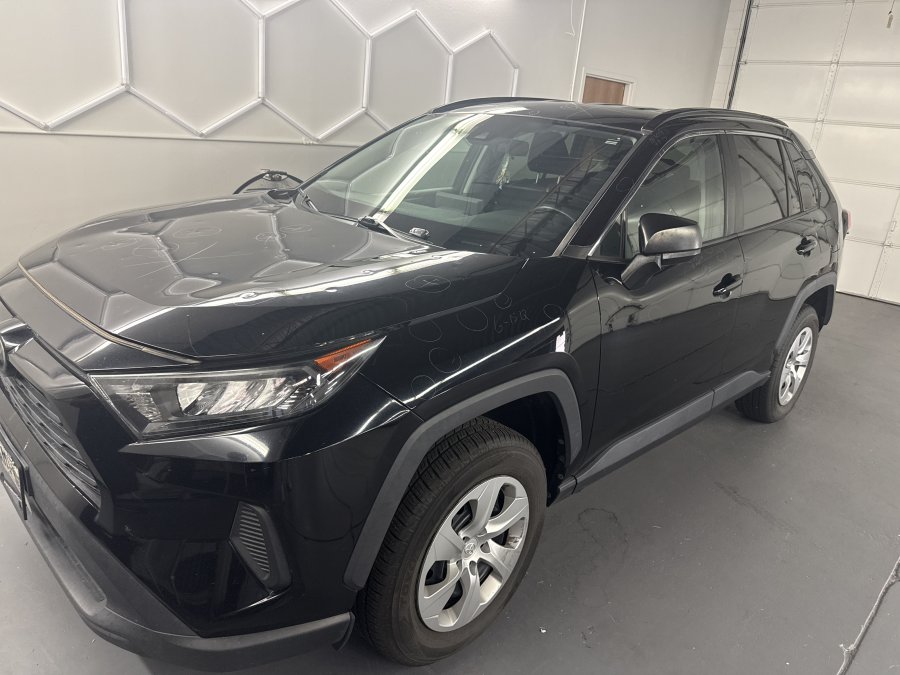
You can perform an initial inspection yourself before scheduling a professional hail damage inspection. This gives you a baseline understanding of what happened to your vehicle. Here's how to do it effectively.
Step 1: Choose the right lighting. Inspect your car on a sunny day or use a bright flashlight. Hail damage shows up best in bright, direct light.
Step 2: Start with the highest points. Begin at your roof and work downward. Your hood, roof, and trunk lid take the most impact during a hail storm.
Step 3: Check all four sides. Walk around your entire vehicle. Don't just look at the obvious spots. Examine your doors, fenders, and quarter panels. Hail damage can appear anywhere on your car.
Step 4: Look at the details. Inspect your mirrors, antenna, trim pieces, and weatherstripping. These small components often show damage that larger panels might hide.
Step 5: Document everything. Take photos of every dent and damaged area. Use multiple angles and lighting conditions. This documentation becomes crucial for your insurance claim.
Step 6: Check your windows and lights. Look for cracks or impact marks on your windshield, windows, headlights, and taillights. These aren't always obvious but they matter for your claim.
Step 7: Feel the surfaces. Run your hand gently across damaged areas. You'll feel roughness or irregularities that your eyes might miss. This helps you understand the depth of the damage.
After you complete your initial inspection, schedule a professional hail damage inspection. Technicians have tools and expertise you don't. They'll find damage you missed.
Understanding the Hail Damage Insurance Claim Process
The insurance claim process is straightforward when you understand what happens at each step. Knowing what to expect reduces stress.
Contact your insurance company immediately. Call within 48 hours of the hail storm. Provide basic information about the damage and when it occurred. Your insurance company will explain your coverage and next steps.
Schedule an adjuster inspection. Your insurance company sends an adjuster to assess the damage. This is separate from your professional hail damage inspection. The adjuster determines what your policy covers and the scope of repairs needed.
Get your own professional assessment. This is where Hail Inc. comes in. A professional inspection from a qualified technician provides detailed documentation of all damage. This protects you during the claims process.
Review the adjuster's estimate. Compare what the insurance adjuster found with what your professional inspection revealed. If there are discrepancies, your professional documentation helps support your claim.
Submit your claim. Provide all documentation to your insurance company. Include photos, your professional inspection report, and any other relevant information.
Authorize repairs. Once your claim is approved, you can schedule repairs. Many shops, including Hail Inc., work directly with insurance companies to simplify this process.
The key to a smooth claim is thorough documentation. The more evidence you have of the damage, the stronger your claim.
Paintless Dent Repair in Arvada: Restoring Your Vehicle's Value
Paintless Dent Repair, or PDR, is the preferred method for fixing hail damage in most cases. This technique removes dents without affecting your car's original paint and finish.
How PDR works is straightforward. Technicians access the back side of the dented panel. They use specialized tools to gently massage the dent out from behind. The metal returns to its original shape without any paint damage.
The benefits of PDR for hail damage are significant. Your car retains its original factory paint. There's no risk of color mismatch or paint quality issues. The repair process is faster than traditional bodywork.
PDR is ideal for the typical hail damage pattern. Multiple dents across your hood and roof are exactly what PDR handles best. For more severe damage or damage to painted trim pieces, additional techniques might be needed.
At Hail Inc., our certified technicians specialize in PDR for hail damage. We work directly with your insurance company to manage the entire process.
The value preservation aspect matters if you plan to sell your vehicle later. A car with PDR repairs maintains its resale value better than one with traditional bodywork.
We also offer convenient valet pickup and drop-off services for customers throughout Arvada and the surrounding areas. You don't have to disrupt your schedule to get your car repaired. We handle the logistics while you focus on your day.
Hail damage doesn't have to derail your vehicle's condition or your peace of mind. The signs are there if you know what to look for.
Frequently Asked Questions
What are the most common signs of hail damage on a car?
The most obvious signs are small dents scattered across horizontal surfaces like your hood, roof, and trunk. Look for cracked or pitted paint, especially where the clear coat has been compromised. Hail damage often appears in random patterns rather than in straight lines. Gutters, trim, and molding also show damage easily. Some dents are subtle and only visible in certain lighting, professional hail damage inspection reveals damage you might miss with the naked eye.
How do I know if I should get a professional hail damage inspection?
If your vehicle was in the path of a hail storm, professional inspection is worth scheduling even if you don't see obvious damage. Hail Inc. certified technicians use specialized techniques to detect damage that affects your car's resale value. Early detection helps with insurance claims and prevents further deterioration. Many owners discover significant damage only after a professional assessment.
Does hail damage affect windows and lights on my car?
Yes, hail can damage windows, headlights, taillights, and mirrors. These components may show cracks, chips, or cloudiness. Damaged lights reduce visibility and safety. Professional inspection includes assessing all glass and lighting components, which are often covered under comprehensive insurance policies.
What should I do immediately after discovering hail damage?
Document the damage with photos and videos from multiple angles and in different lighting. Contact your insurance company to report the damage and ask about the claims process. Schedule a professional hail damage inspection with a certified technician who can provide a detailed damage assessment. Avoid attempting DIY repairs, which can worsen the damage and complicate insurance coverage. Hail Inc. handles direct communication with insurance companies, simplifying the entire process.