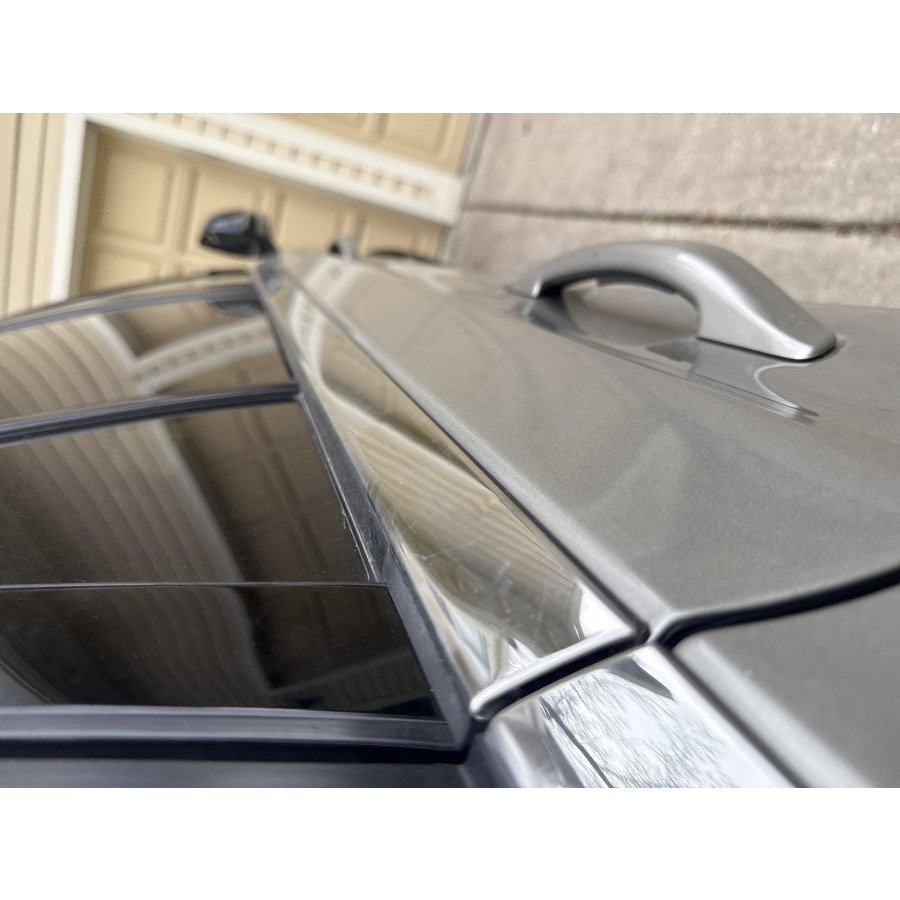
 how-to
Structural vs. Cosmetic Hail Damage: How to Tell
Table of Contents
- Understanding Structural vs. Cosmetic Hail Damage
- Signs of Hail Damage on a Car You Can Spot Yourself
- How to Inspect a Car for Hail Damage Step by Step
- Hail Damage Inspection Checklist for Vehicle Owners
- When Cosmetic Damage Becomes Structural: The Critical Distinction
- Hail Damage Repair Timeline and What to Expect
- Why Professional Assessment Matters
- Conclusion
- Frequently Asked Questions
Last Updated: October 17, 2026
Understanding Structural vs. Cosmetic Hail Damage
Understanding structural vs cosmetic hail damage represents the most important distinction vehicle owners in Arvada need to make when assessing storm damage. The difference determines whether your repair is simple or complex, and it directly affects your insurance claim and vehicle safety.
Cosmetic damage affects only the outer surface of your vehicle. These dents and dings don't compromise how your car functions or its structural integrity. Structural damage, by contrast, affects the frame, panels, or mechanical systems that keep your vehicle safe and operational.
At Hail Inc., we help vehicle owners across the Denver metro area make this critical distinction. Understanding what you're looking at prevents costly mistakes and ensures you get the right repair approach the first time.
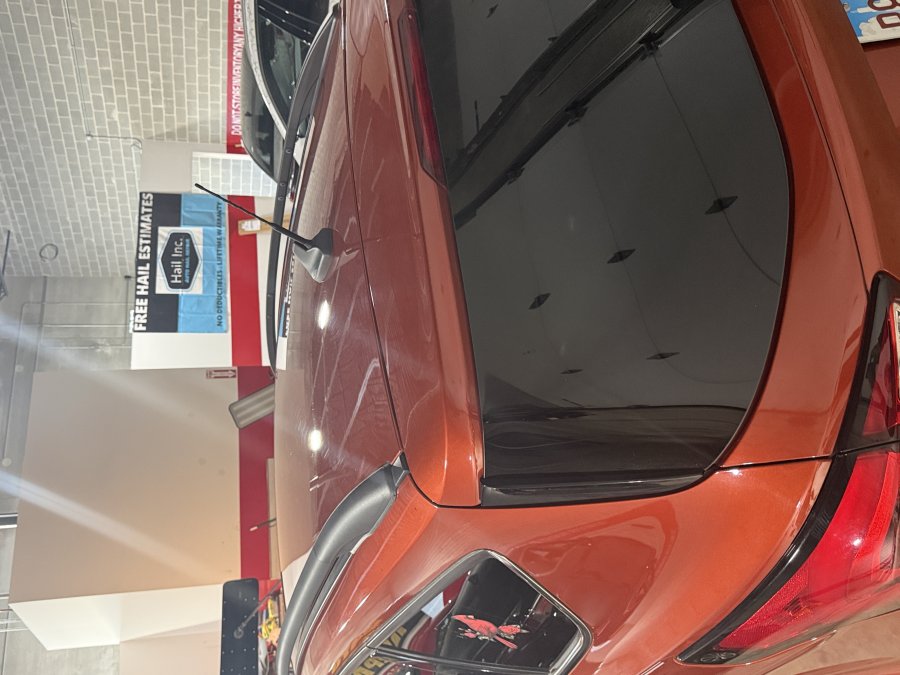
Signs of Hail Damage on a Car You Can Spot Yourself
Most vehicle owners can identify basic hail damage with a careful visual inspection. You don't need special tools, just good lighting and a systematic approach to check your entire vehicle.
Cosmetic Damage Indicators
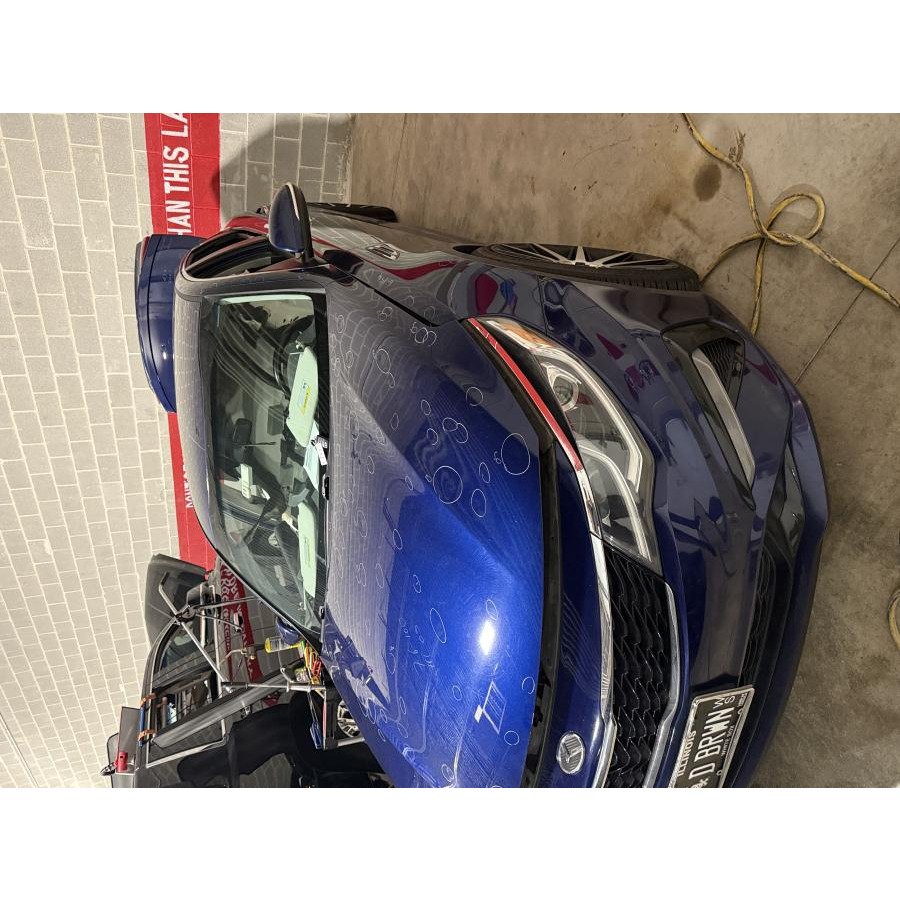
Cosmetic hail damage appears as small, round dents scattered across your vehicle's exterior surfaces. These dents typically have a uniform appearance because hail stones fall at similar angles and speeds.
Look for these telltale signs:
- Small dents on the hood, roof, and trunk lid
- Dimpled patterns on side panels and doors
- Damage concentrated on the upper surfaces of your vehicle
- Paint that remains intact (no cracks or peeling)
- No visible damage underneath your car
- All doors and windows open and close normally
- No changes in how your vehicle drives or sounds
The key indicator: your vehicle functions exactly as it did before the storm. You can drive it safely. The damage is purely visual.
Structural Damage Red Flags
Structural hail damage is less common but far more serious. This damage affects the frame, suspension, or critical body panels that support your vehicle's integrity.
Warning signs of structural damage include:
- Large dents or creases that penetrate deeply into panels
- Cracks in the windshield, windows, or body panels
- Misaligned doors, hood, or trunk that stick or don't close properly
- Visible damage to the undercarriage or frame
- Changes in how your vehicle handles (pulling to one side, unusual vibrations)
- New noises when driving (creaking, grinding, or rattling)
- Headlights or taillights that no longer function
- Fluid leaks under your vehicle
- Gaps between panels that weren't there before
Any of these signs means your vehicle needs professional assessment immediately. Structural damage affects safety and requires specialized repair.
How to Inspect a Car for Hail Damage Step by Step
A methodical inspection takes 15-20 minutes and covers your entire vehicle. This systematic approach ensures you don't miss damage in less obvious locations.
Visual Inspection Technique
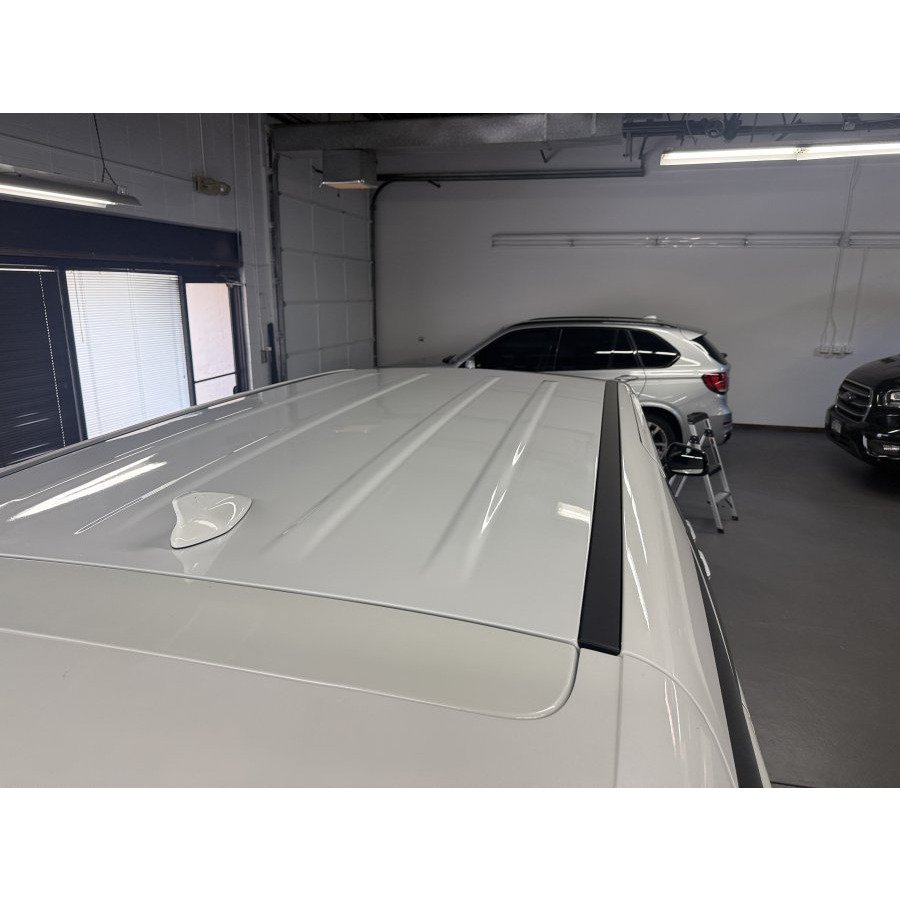
Start with the roof and hood since these surfaces catch the most hail impact. Use natural daylight, overhead sun highlights dents better than cloudy conditions.
Follow this sequence:
- Examine the roof - Walk around your vehicle and look down at the roof from all angles
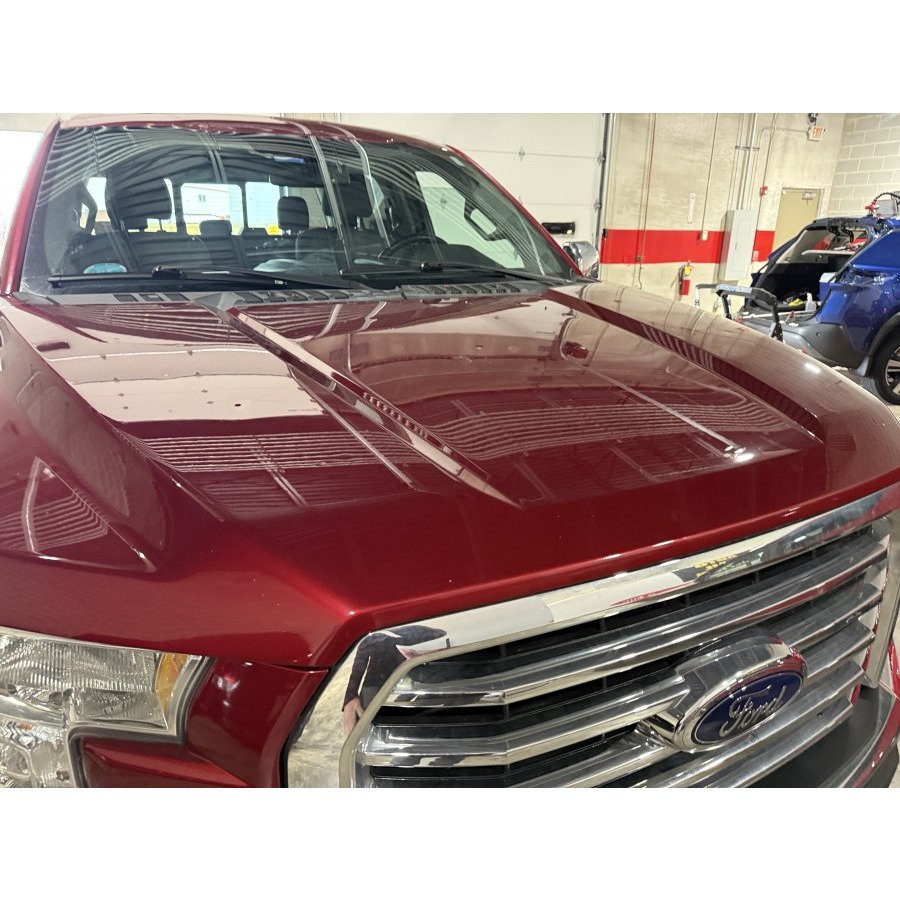
- Check the hood - Look across the hood surface at a low angle to catch light reflections off dents
- Inspect side panels - Stand back and view each door and quarter panel from multiple distances
- Review the trunk - Open the trunk and inspect the lid and rear panel
- Look at the front and rear - Check the fenders, bumper covers, and any exposed plastic trim
- Scan the undercarriage - Lie down or crouch to see the bottom edges of panels and frame areas
Pay attention to light reflection patterns. Dents catch light differently than flat surfaces, making them visible even when small.
Functional Testing
After your visual inspection, test how your vehicle functions. This reveals structural issues that aren't visible.
Test these systems:
- Open and close all doors, windows, and the sunroof (if equipped)
- Check that doors align properly with the body, no gaps or misalignment
- Test all lights: headlights, taillights, brake lights, turn signals
- Listen for unusual sounds when opening and closing doors
- Drive slowly in a safe area and listen for new noises
- Feel if the steering wheel pulls to one side
- Notice any vibrations in the steering wheel or seat
- Check under the vehicle for fluid drips or leaks
If everything functions normally, your damage is likely cosmetic. If you notice problems, document them and contact a professional before driving further.
Hail Damage Inspection Checklist for Vehicle Owners
Use this checklist to document damage systematically. This record helps your insurance claim and ensures you don't overlook areas.
| Inspection Area | Cosmetic Signs | Structural Red Flags | Status |
|---|---|---|---|
| Roof | Small round dents | Cracks, large dents | ☐ |
| Hood | Dimpled pattern | Creases, paint damage | ☐ |
| Doors | Surface dents | Misalignment, gaps | ☐ |
| Trunk/Liftgate | Scattered dents | Dents that penetrate | ☐ |
| Windows | Clear glass | Cracks, missing glass | ☐ |
| Lights | All functional | Broken or dark | ☐ |
| Undercarriage | No visible damage | Dents, leaks, frame damage | ☐ |
| Vehicle Handling | Normal steering, no vibration | Pulling, vibration, unusual sounds | ☐ |
Print this checklist and walk around your vehicle with it. Mark each area as you inspect. Take photos of any damage you find, these photos support your insurance claim.
When Cosmetic Damage Becomes Structural: The Critical Distinction
Sometimes the line between cosmetic and structural blurs. Understanding when damage crosses that threshold is essential.
Cosmetic damage stays cosmetic when dents don't affect how your vehicle works. A dent on your hood doesn't matter if the hood opens and closes smoothly and the engine runs normally. The damage is only visual.
Damage becomes structural when it affects:
- How panels fit together (doors that don't close smoothly, hoods that won't latch)
- How your vehicle handles (steering that pulls, suspension that feels loose)
- Safety systems (lights, wipers, brakes)
- The frame or undercarriage (visible cracks, bent metal, misalignment)
A large dent that spans multiple inches and penetrates deeply into a panel may be cosmetic if it doesn't affect the panel's function. But if that same dent causes the door to bind or the panel to crack, it's structural.
The practical test: if damage prevents your vehicle from functioning as designed, it's structural. If it only affects appearance, it's cosmetic.
Hail Damage Repair Timeline and What to Expect
Understanding the repair process helps you plan your schedule and manage expectations. The timeline varies based on damage severity and repair method.
For cosmetic damage using Paintless Dent Repair (PDR), most vehicles are ready in 2-5 days.
The process typically follows this sequence:
- Day 1: Assessment and claim documentation
- Days 2-4: Dent removal using specialized tools
- Day 5: Final inspection and quality check
Structural damage takes longer because it may require panel replacement, welding, or frame straightening.
The Hail Inc. team in Arvada and surrounding areas manages your insurance claim throughout, so you stay informed every step. We handle direct communication with your insurance company, which speeds up the process.
Why Professional Assessment Matters
Your own inspection identifies obvious damage, but professionals spot issues you'll miss. Professional assessment protects your safety and your insurance claim.
Certified technicians use specialized tools and training to detect:
- Hidden structural damage inside door panels or under trim
- Damage to suspension or steering components
- Frame misalignment that affects vehicle handling
- Paint damage too subtle for untrained eyes to see
- Damage that worsens over time if left unrepaired
Professional assessment also documents damage thoroughly for your insurance company. Detailed photos and written reports from certified technicians carry weight in claim decisions. Insurance adjusters respect professional documentation.
According to guidance from the National Highway Traffic Safety Administration, vehicle structural integrity directly affects crash safety. Even small frame damage can compromise how your vehicle protects you in an accident.
A professional assessment costs nothing when you work with a repair shop like Hail Inc. that handles your claim directly. The assessment becomes part of your repair estimate, which your insurance company reviews as part of the claim process.
Conclusion
Knowing the difference between structural vs cosmetic hail damage determines your repair path, timeline, and cost. Cosmetic damage affects only appearance. Structural damage affects safety and function.
Start with a careful visual inspection using the checklist in this guide. Test how your vehicle functions. If everything works normally and you only see small dents, your damage is cosmetic. If you notice misalignment, new sounds, or functional problems, you need professional assessment.
At Hail Inc., our certified technicians in Arvada and across the Denver metro area provide free professional assessments that document all damage for your insurance claim. We work directly with your insurance company to handle the claim process, so you get repairs with zero out-of-pocket cost. Our Paintless Dent Repair process restores cosmetic damage quickly, most vehicles are ready in days, not weeks.
Schedule an Online Appointment with Hail Inc. today. Let our team assess your vehicle and handle your claim from start to finish.
Frequently Asked Questions
How can you tell if hail damage is structural or cosmetic?
Cosmetic hail damage appears as surface dents in the metal without affecting the vehicle's frame, panels, or safety systems. Structural damage involves bent or misaligned frame components, compromised panel fit, damaged glass, or impaired functionality of doors, windows, or locks. Cosmetic damage is typically limited to the outer layer of metal; structural damage affects the vehicle's integrity. When in doubt, a professional inspection can determine the extent and type of damage your vehicle sustained.
What does cosmetic hail damage look like on a vehicle?
Cosmetic hail damage appears as small to medium dents scattered across the hood, roof, doors, and fenders. The dents are typically round or oval-shaped and follow the pattern of hail impact. The paint may show slight discoloration or stress marks around the dent edges, but the surface remains intact without cracks or breaks. Multiple dents clustered together create a textured appearance when light reflects off the panel. These dents do not affect how your vehicle operates or its safety.
Can paintless dent repair fix hail damage?
Paintless dent repair (PDR) is highly effective for cosmetic hail damage, especially when dents are shallow to moderate and the paint surface is unbroken. PDR works by carefully manipulating the metal from behind or beside the dent to restore the panel to its original shape without repainting.
What should I document before contacting my insurance company?
Photograph all visible hail damage from multiple angles and distances to show the overall impact pattern. Document the date and location of the hailstorm, and take photos of the surrounding area if other vehicles or property were affected. Note the condition of your vehicle immediately after the storm. Keep records of any weather reports or news coverage of the hailstorm. This documentation supports your insurance claim and helps adjusters assess whether damage is structural or cosmetic, ensuring you receive appropriate coverage for repairs.