 how-to
Fix Hail Dents on Aluminum Panels: A Step-by-Step Guide
Table of Contents
- Can You Fix Hail Dents on Aluminum Body Panels?
- What You'll Need Before Starting
- Paintless Dent Repair on Aluminum: How It Works
- Hail Damage Assessment for Aluminum Panels
- Aluminum vs. Steel Dent Repair: Key Differences
- Can Aluminum Dents Be Repaired Without Repainting?
- Common Mistakes to Avoid When Repairing Aluminum Dents
- Frequently Asked Questions
Last Updated: October 17, 2026
Can You Fix Hail Dents on Aluminum Body Panels?
Yes, you can fix hail dents aluminum body panels. The question isn't whether it's possible, it's which repair method makes sense for your vehicle and your situation. At Hail Inc., we've worked with many aluminum-body vehicles, and the answer depends on the size, depth, and number of dents.
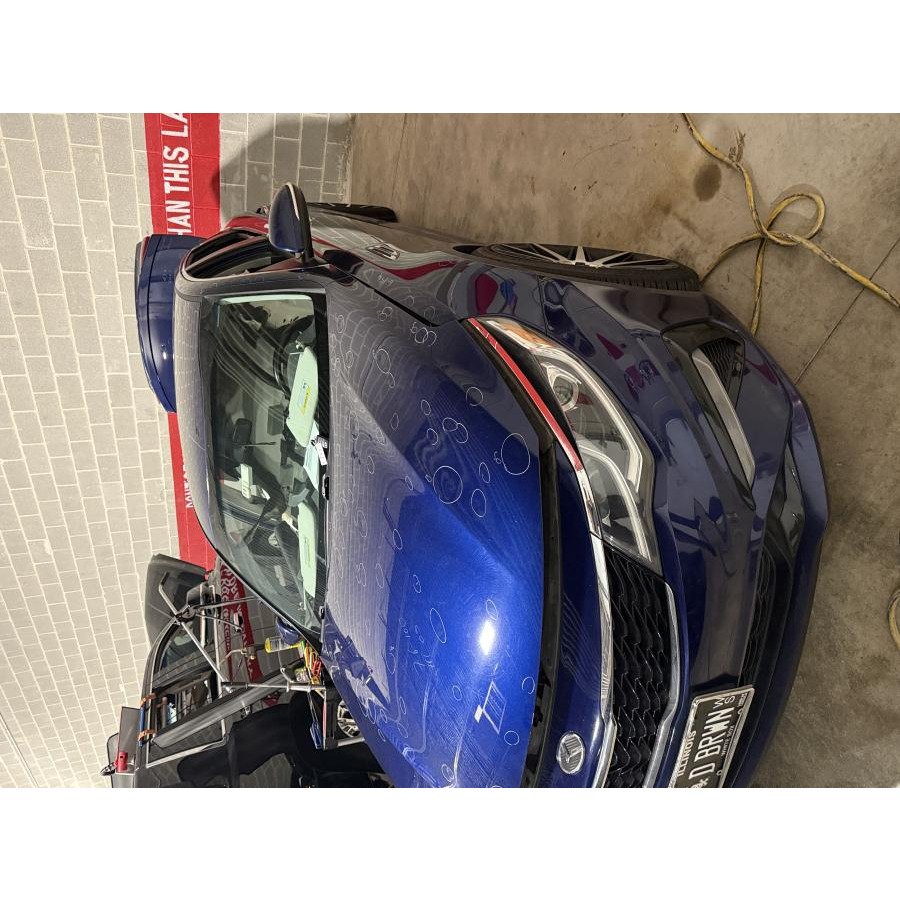
Aluminum presents unique challenges compared to other materials. It's lighter and more flexible than steel, which means hail dents on aluminum panels often respond well to specialized repair techniques. The good news: most hail damage can be restored without repainting, which preserves your vehicle's original finish and resale value.
Here's what you need to know to make the right decision for your car.
What You'll Need Before Starting
Before attempting any repair on aluminum body panels, gather the right tools. This isn't a job where improvisation works well.
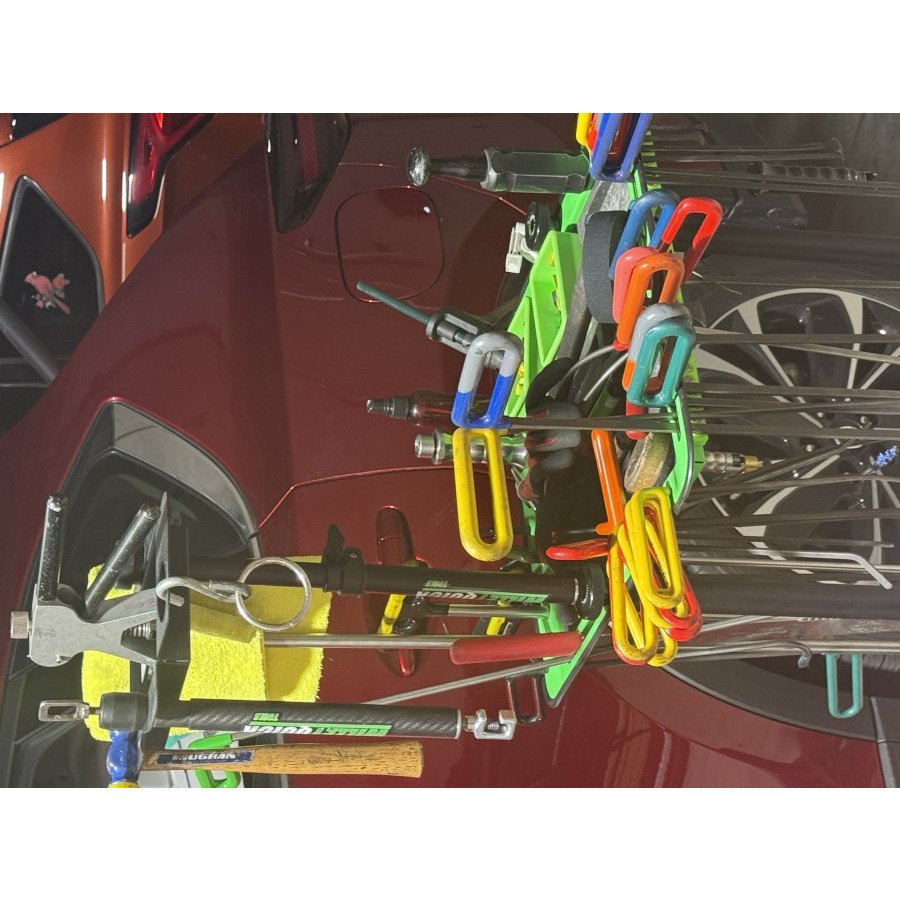
Essential tools and materials:
- Specialized dent removal tools (not standard hammers or mallets)
- Access lights to see the dent clearly from multiple angles
- Protective gloves and eyewear
- Aluminum-safe lubricants
- Soft-faced mallets if working from behind the panel
- Dent puller or suction cup tools for surface access
- Measuring tape to track progress
- Masking tape to protect surrounding areas
Why these matter: Aluminum is softer than steel and scratches easily. Using the wrong tools can cause additional damage, creating new problems while trying to fix the existing ones.
Most vehicle owners don't have this specialized equipment at home. That's where professional repair makes sense. Hail Inc. technicians have invested in the right tools specifically designed for aluminum repair, which is one reason professional results outperform DIY attempts.
Paintless Dent Repair on Aluminum: How It Works
Paintless dent repair (PDR) is the process of removing dents without damaging the original paint. For aluminum panels, this technique to fix hail dents aluminum works by carefully massaging the metal back into shape from behind the panel or using specialized surface tools.
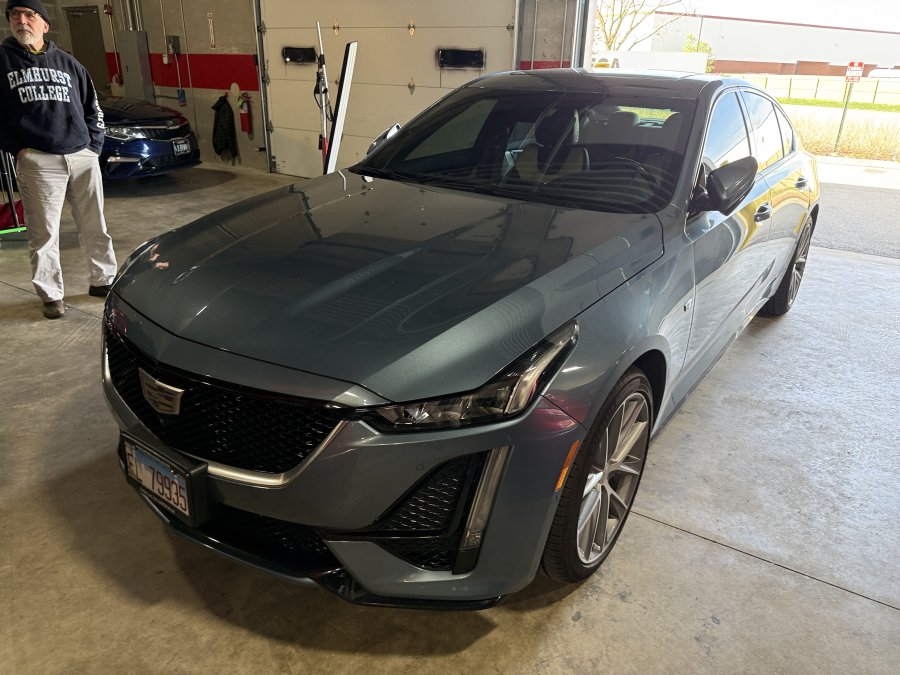
The technician accesses the back of the damaged panel. They use use and controlled pressure to push the dent out gradually. This requires skill and patience, rushing the process can cause the metal to crease or crack.
How the process unfolds:
- Technician examines the dent from multiple angles
- Access point is created (usually from inside the vehicle)
- Specialized tools apply gradual, controlled pressure
- Metal is worked back to its original shape
- Surface is checked repeatedly during the process
- Final detailing removes any remaining imperfections
For aluminum, this method is often superior to traditional body work. The metal's flexibility makes it responsive to PDR techniques when performed correctly. Your original paint stays intact, which means no risk of paint mismatch or future peeling.
Hail Damage Assessment for Aluminum Panels
Not all hail damage looks the same. Before committing to repair, you need an accurate assessment of what you're dealing with.
Key factors to evaluate:
- Dent depth: shallow surface dents vs. deep creases
- Dent size: small dimples vs. large deformed areas
- Dent location: accessible panels vs. difficult angles
- Paint condition: any cracks or chips in the original finish
- Number of dents: isolated damage vs. widespread hail field
- Metal condition: any signs of previous damage or stress
Shallow dents on flat panels are ideal for PDR. Deep creases or dents on curved, reinforced areas may require different approaches. Aluminum near door frames, panel seams, or structural reinforcements can be trickier to repair without removing the panel.
The best way to know what you're dealing with is a professional inspection. Hail Inc. offers free assessments in Arvada and the surrounding area. Our certified technicians can tell you exactly what's possible and what method makes the most sense for your vehicle.
Aluminum vs. Steel Dent Repair: Key Differences
Aluminum and steel respond differently to hail damage and repair techniques. Understanding these differences helps explain why your aluminum-body vehicle might need a different approach than a friend's steel-body car.
Aluminum properties:
- More flexible and lighter than steel
- Responds well to gradual pressure and massage techniques
- Scratches and marks more easily during repair
- Doesn't require as much force to reshape
- Original finish is easier to preserve
Steel properties:
- Stiffer and heavier than aluminum
- May require more aggressive techniques
- More forgiving of minor tool marks during repair
- Can handle higher pressure without cracking
- Paint is more durable but also easier to damage during work
For hail damage specifically, aluminum often has an advantage. The metal's flexibility means PDR techniques work exceptionally well. You're less likely to need panel replacement or extensive body work.
The trade-off: aluminum requires more precision and care during repair. One wrong move can cause permanent creasing or cracking. This is why choosing experienced technicians matters. Hail Inc.'s team has experience working with both materials and knows the specific techniques aluminum requires.
Can Aluminum Dents Be Repaired Without Repainting?
This is the question that matters most to vehicle owners. Yes, aluminum dents can be repaired without repainting in most cases, and that's a major advantage.
When you use paintless dent repair, your original factory paint stays intact. This preserves:
- Your vehicle's original finish quality
- The color match (no risk of slight variations)
- The resale value (original paint is worth more)
- The warranty on your paint job (factory paint has protection)
The key word is "most cases." If the hail impact cracked or chipped the paint, those spots will need touch-up work. But the vast majority of hail dents don't break the paint surface, they just deform the metal underneath.
When repainting becomes necessary:
- Paint is visibly cracked or chipped
- Metal is creased so severely that paint stretches
- The dent is so deep that paint edges lift
- Multiple repair attempts have compromised the finish
For typical hail damage on aluminum panels, avoiding a full repaint is realistic. Hail Inc. specializes in keeping your original paint intact. Our PDR process means your vehicle looks like nothing happened, because the original finish is still there.
Common Mistakes to Avoid When Repairing Aluminum Dents
Learning from others' mistakes can save you time, money, and frustration. Here are the errors we see most often.
Using the wrong tools: Hammers, mallets, and improvised tools damage aluminum. They leave marks, create new dents, and can crack the metal. Specialized PDR tools are designed to work with aluminum's properties.
Working too fast: Patience matters. Pushing the dent out gradually allows the metal to move naturally. Rushing creates creases, cracks, and new problems.
Ignoring accessibility issues: Some dents are behind panels you can't reach safely from inside the vehicle. Attempting to access them anyway can damage interior components or electrical systems.
Trying to fix severe damage with PDR alone: Some dents are too deep or too creased for paintless repair. Recognizing this limit early prevents wasted effort and additional damage.
Skipping professional assessment: You might think a dent looks simple, but hidden damage or structural stress could complicate repair. Professional inspection catches these issues upfront.
Not protecting the surrounding area: Masking and protection prevent accidental scratches or marks on undamaged sections. This step is easy to skip but important to results.
Hail damage on aluminum body panels is fixable. In most cases, you can restore your vehicle to its original condition without repainting, which protects both your wallet and your car's resale value. The difference between a successful repair and a frustrating one comes down to technique, tools, and experience.
If you're in Arvada or the surrounding Colorado area and need hail damage assessed on your aluminum-body vehicle, Hail Inc. offers free inspections and works directly with your insurance company to handle the claim. Our certified technicians use specialized PDR techniques designed specifically for aluminum, and we back every repair with a lifetime warranty. Schedule an online appointment to see how we can restore your vehicle.
Frequently Asked Questions
Does paintless dent repair work on aluminum panels?
Yes, paintless dent repair is highly effective on aluminum body panels. Aluminum's flexibility makes it ideal for PDR techniques. The metal responds well to precise pressure and manipulation without requiring filler or repainting. Most hail dents on aluminum panels can be restored to their original appearance using PDR methods, preserving your vehicle's factory finish and resale value.
Is repairing aluminum body panels different from repairing steel panels?
Yes, aluminum and steel require different repair approaches. Aluminum is softer and more flexible than steel, making it easier to manipulate but more prone to creasing. Steel dents often require more force to pop out. Aluminum repair techniques focus on gentle, gradual pressure to avoid surface damage, while steel may tolerate more aggressive methods. Professional technicians adjust their tools and techniques based on the metal type.
Can paintless dent repair restore aluminum panels to their original appearance?
Paintless dent repair can restore most aluminum hail damage to near-original condition, especially for smaller to medium dents. The key factor is dent depth and whether the paint surface remains intact. If the aluminum hasn't creased or the paint hasn't cracked, PDR typically achieves excellent results without any visible repair marks. Larger or creased dents may require additional assessment to determine the best repair method.
How long does paintless dent repair take for hail damage on aluminum?
Repair time depends on the number and severity of dents. Minor hail damage with small dents may take 2-4 hours, while moderate damage across multiple panels could take a full day or more. Complex cases with deeper dents or creasing may require additional time for assessment and careful work. Professional technicians can provide a more accurate timeline after inspecting your specific vehicle and damage pattern.