 comparison
Is Paintless Dent Repair Worth It? 2026 Guide
Table of Contents
- Is Paintless Dent Repair Worth It? The Value Proposition
- Paintless Dent Repair Pros and Cons
- The Paintless Dent Repair Process Explained
- How Long Does Paintless Dent Repair Take?
- PDR vs. Traditional Body Shop Repair
- Paintless Dent Repair and Insurance Coverage
- Is PDR Right for Your Vehicle?
- Frequently Asked Questions
Last Updated: October 5, 2026
Is Paintless Dent Repair Worth It? The Value Proposition
Paintless dent repair is a specialized technique that removes dents from vehicle panels without repainting, preserving your car's original factory finish. For vehicle owners dealing with hail damage in Arvada and across Colorado's Front Range, the question isn't just whether PDR works, it's whether paintless dent repair worth the investment for your specific situation.
The answer depends on three factors: the extent of damage, your vehicle's value, and whether your insurance will cover the repair. Most of the time, paintless dent repair is worth the investment. Here's why.
Paintless dent repair preserves your vehicle's resale value in ways traditional body shop work cannot. When a technician repaints a panel, even expertly, it creates a mismatch in the original factory coating. Buyers and appraisers notice. Your car loses value that you can't recover. With PDR, the original paint stays intact, and your vehicle maintains its factory condition, a critical advantage if you plan to sell or trade it in within the next few years.
The process is also faster and less disruptive than conventional repair methods. For busy professionals in Denver and surrounding suburbs who depend on their cars, that convenience has real value.
Paintless Dent Repair Pros and Cons
Pros of Paintless Dent Repair:
- Preserves original factory paint. Your vehicle retains its manufacturer's coating, which is harder and more durable than any aftermarket paint job.
- Faster turnaround. Faster turnaround.
- Lower cost for minor to moderate damage. PDR typically costs less than traditional body shop repair when the damage is accessible.
- Better resale value. Buyers and dealers recognize factory-original paint as a sign of proper maintenance and vehicle history.
- Works with insurance claims. Insurance companies prefer PDR for hail damage because it's cost-effective and produces excellent results.
- No repainting required. Eliminates the time, mess, and environmental impact of spray painting.
Cons of Paintless Dent Repair:
- Not suitable for all damage types. If the paint is cracked, creased, or the panel edge is damaged, PDR won't work. Traditional repair becomes necessary.
- Requires accessible panels. If the dent is on a panel edge or in a location technicians can't reach from behind, PDR isn't an option.
- May not work on older vehicles. Factory paint on older cars can be brittle and may not respond well to the pressure and manipulation required for PDR.
- Limited to hail and minor impact damage. PDR works best on dents without paint damage. Larger structural damage requires conventional repair.
- Technician skill varies. The quality of PDR depends heavily on the technician's experience and training.
| Aspect | PDR Advantage | Traditional Repair Advantage |
|---|---|---|
| Paint Preservation | Original factory finish intact | New paint, potential mismatch |
| Speed | 1-3 days typical | 5-10+ days typical |
| Cost (minor damage) | Lower for accessible dents | Higher overall cost |
| Resale Value | Maintains factory condition | Diminished by repaint |
| Paint Damage Capability | Cannot repair cracked paint | Can handle all paint damage |
| Structural Damage | Limited to shallow dents | Handles major structural work |
The Paintless Dent Repair Process Explained
Paintless dent repair is a methodical process that requires specialized training, tools, and lighting. A certified PDR technician uses a combination of use, pressure, and careful manipulation to gradually reshape the panel from behind, pushing the dent out to its original contour without disturbing the paint surface.
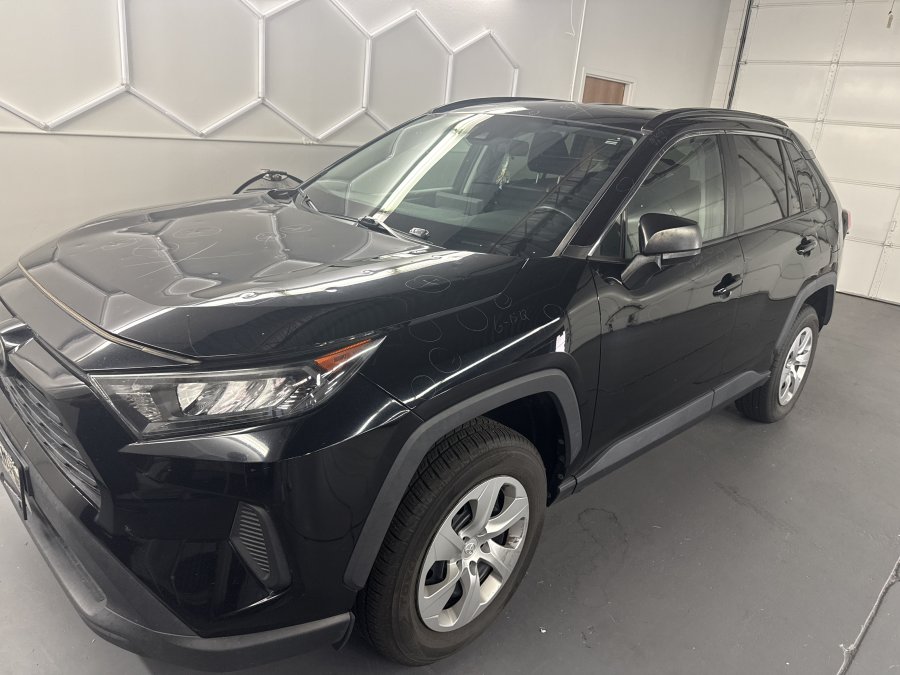
The process begins with a thorough inspection. The technician assesses the damage pattern, identifies which dents can be repaired with PDR, and determines the best access point to work from. On hail-damaged vehicles, there may be dozens of dents of varying sizes, and not all of them will be suitable for PDR.
Next, the technician uses specialized lighting, typically LED lights or reflective boards, to highlight the dent's edges and contours. This lighting is essential; without it, the technician cannot see the subtle variations in the panel surface that indicate where pressure needs to be applied.
Using metal rods, hooks, and hand tools, the technician applies controlled pressure from behind the panel, gradually pushing the dent outward. This process is slow and deliberate. Rushing or applying too much pressure can crack the paint or cause new dents. The technician constantly checks progress using the lighting system, making small adjustments until the panel returns to its original shape.
For hail damage specifically, this process is repeated across multiple dents, sometimes hundreds on a single vehicle. Each dent requires individual assessment and treatment. The entire job, from assessment through completion, demands concentration and technical skill.
How Long Does Paintless Dent Repair Take?
The timeline for paintless dent repair depends on the extent of damage and the number of dents.
The technician must work methodically to avoid missing dents or creating new damage. Rushing the process compromises the quality of the repair.
At Hail Inc., we understand that your time matters. We offer convenient valet pickup and drop-off services, so you're not waiting at our location while your vehicle is being repaired. We also provide complimentary rental vehicles, so you maintain your mobility throughout the repair process. For many vehicle owners in Arvada and nearby communities, this service model eliminates the biggest inconvenience of traditional body shop repairs.
The timeline also depends on the complexity of accessing each dent. Some dents are straightforward; others require the technician to remove interior panels or trim pieces to reach the damage from the correct angle. This adds time but ensures a quality repair.
PDR vs. Traditional Body Shop Repair
The fundamental difference between paintless dent repair and traditional body shop work comes down to method and outcome.
Traditional body shop repair involves sanding, filling, priming, and repainting the damaged area. The technician removes the dent using tools and techniques that may require panel replacement in severe cases. Once the panel is reshaped or replaced, it's sanded smooth, primed, and painted to match the original color. The entire process takes longer and costs more for minor damage, but it's the only option when paint is damaged or the dent cannot be accessed from behind.
Paintless dent repair, by contrast, works only on the metal, no painting, no filling, no sanding. The original factory paint remains untouched. This approach preserves the vehicle's original finish, which is harder and more durable than any aftermarket paint job.
For hail damage specifically, PDR is the preferred method in the insurance industry. According to research from Five Star Dent Removal's comparison of repair methods, paintless dent repair is the preferred approach for 85% to 90% of hail-damage cases. Insurance companies favor PDR because it's cost-effective, produces excellent results, and restores vehicles to their pre-damage condition without the complications of repainting.
However, traditional body shop repair becomes necessary when:
- The paint is cracked or creased
- The dent is on a panel edge or in an inaccessible location
- The damage is severe and requires panel replacement
- Multiple layers of damage require structural work
The choice between PDR and traditional repair isn't always yours to make. If your vehicle has paint damage, PDR won't work. If the dent is in a location technicians can't reach, traditional repair is the only option. But when PDR is viable, it's almost always the better choice for preserving your vehicle's value and getting you back on the road quickly.
Paintless Dent Repair and Insurance Coverage
Most comprehensive insurance policies cover hail damage, and most insurance companies prefer to approve paintless dent repair claims because it's cost-effective and produces excellent results. This is good news for vehicle owners, your repair may be fully covered with little or no out-of-pocket expense.
The process works like this: You report the hail damage to your insurance company. Your insurer may send an adjuster to assess the damage, or they may authorize repair directly based on photos you submit. Once the claim is approved, you can choose a repair shop. At Hail Inc., we work directly with insurance companies to manage the entire claims process. We handle the documentation, coordinate with your insurer, and ensure you understand your coverage and deductible before we begin work.
One important detail: your deductible still applies. However, some insurance policies include optional hail damage coverage with no deductible or a reduced deductible. If you live in a hail-prone area like Colorado, this coverage is worth considering when you renew your policy.
Hail Inc. simplifies this process further by offering $0 out-of-pocket repairs for approved insurance claims. We work with your insurer to ensure the repair is fully covered, and you pay nothing upfront. This removes the financial uncertainty many vehicle owners worry about when dealing with insurance claims.
Is PDR Right for Your Vehicle?
Paintless dent repair is the right choice if:
- Your vehicle has hail damage without paint cracking or creasing
- The dents are on panels that technicians can access from behind
- You plan to keep the vehicle or sell it within the next few years
- You want to preserve your vehicle's resale value
- Your insurance will cover the repair
PDR is not the right choice if:
- Your vehicle has paint damage that requires repainting
- The dents are on panel edges or in locations technicians cannot reach
- Your vehicle is very old and the paint is brittle or compromised
- You need structural repair or panel replacement
- The damage is so severe that only traditional body shop work will restore the vehicle
The decision ultimately depends on your vehicle's condition, your insurance coverage, and your priorities. If you're unsure whether PDR is suitable for your specific damage, a certified technician can assess your vehicle and recommend the best repair method.
For vehicle owners in Arvada, Centennial, Aurora, Littleton, and across the Denver metro area, Hail Inc. offers a free assessment. Our certified technicians will examine your vehicle, determine whether PDR is appropriate, and explain your options. We work directly with your insurance company, manage all the paperwork, and deliver a hassle-free repair experience with a lifetime warranty on our work.
Hail damage can feel like a major setback, but it doesn't have to derail your vehicle's condition or your budget. Paintless dent repair offers a fast, effective way to restore your car to its original condition while preserving resale value. If you're dealing with hail damage in the Denver area, understanding how PDR works and when it's appropriate is the first step toward making the right decision. Hail Inc. handles the entire process for you, from insurance coordination to valet service to final inspection, so you can get back on the road with confidence and a vehicle that looks like nothing ever happened.
Frequently Asked Questions
Is paintless dent repair worth it for hail damage?
Yes, for most hail damage cases. PDR is the preferred method in the insurance industry because it preserves your vehicle's original factory paint, maintains resale value, and avoids the need for repainting. The process is faster and less invasive than traditional body shop work, making it worth the investment when your vehicle qualifies.
Does paintless dent repair insurance coverage actually work?
Insurance typically covers paintless dent repair when your policy includes comprehensive coverage for hail damage. Many insurers prefer PDR because it costs less than traditional repairs. When you work with a certified PDR provider like Hail Inc., the company can coordinate directly with your insurance company, often resulting in $0 out-of-pocket costs for you after your deductible is applied.
How long does paintless dent repair take compared to traditional repair?
PDR is significantly faster than traditional body shop work. This speed means you get your vehicle back sooner and can resume your normal routine without extended downtime.
Will paintless dent repair preserve my car's resale value?
Yes. PDR preserves your vehicle's original factory paint finish, which is a major factor in resale value. Buyers and dealers view vehicles with original paint as higher quality and better maintained. Traditional repairs involving repainting can lower resale value because the repainted panels may not perfectly match the factory finish, even with professional work.