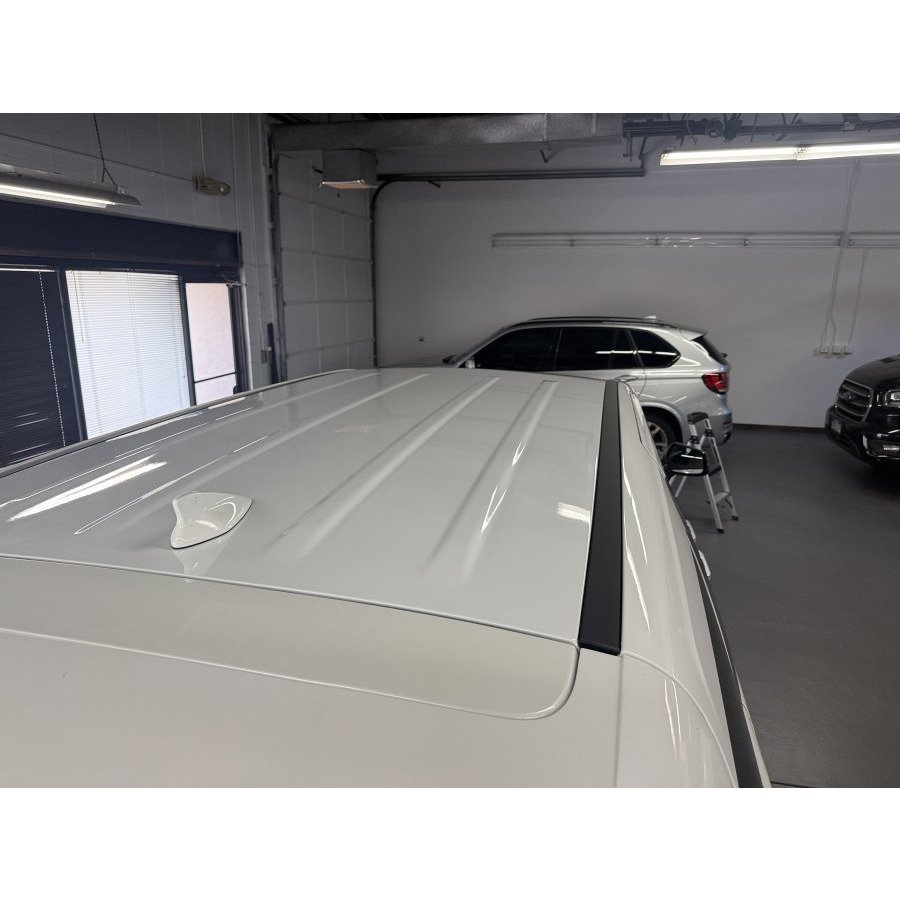
 comparison
Paintless Dent Repair vs Traditional Repair
Last Updated: October 25, 2026
Quick Summary
Paintless dent repair vs traditional repair represents two fundamentally different approaches to fixing vehicle damage, with paintless dent repair preserving the factory finish by massaging dents out from behind the panel, while traditional repair involves filling, sanding, and repainting the damaged area. Paintless dent repair works best for small to medium dents with intact paint and takes 1-2 days, whereas traditional repair handles severe damage but requires 3-7 days and changes the original paint layer.
- Paintless dent repair preserves factory paint and maintains resale value better than traditional repair methods.
- Paintless dent repair typically takes 1-2 business days while traditional repair requires 3-7 days depending on complexity.
- Paintless dent repair only works if the paint is undamaged; cracked or chipped paint requires traditional repair instead.
- Insurance companies often prefer paintless dent repair because it is faster and less expensive than traditional methods.
- Hail damage in Arvada is ideal for paintless dent repair because hail creates small dents with intact paint.
Table of Contents
- How Paintless Dent Repair Works
- Traditional Repair Methods Explained
- Paintless Dent Repair vs Traditional Repair: Side-by-Side Comparison
- Paintless Dent Repair Time and Process Duration
- PDR Technician Qualifications and Certification
- Paintless Dent Repair Insurance Claims
- Which Method Protects Your Vehicle's Resale Value
- Schedule Your Repair Assessment
- Frequently Asked Questions
How Paintless Dent Repair Works
Paintless dent repair vs traditional repair represents two fundamentally different approaches to fixing vehicle damage, with paintless dent repair being a technique that removes dents without disturbing the original paint. The process works by accessing the dent from behind the panel and carefully massaging the metal back into its original shape using specialized tools. This method preserves the factory finish, which is why it's preferred for vehicles where maintaining the original paint is critical.
The technician uses a combination of use tools and precision techniques to work the dent out gradually. The goal is to restore the panel's contour without any filler, sanding, or repainting. For hail damage in Arvada and surrounding areas, this approach works well because hail typically creates multiple small dents with intact paint, the ideal scenario for PDR.
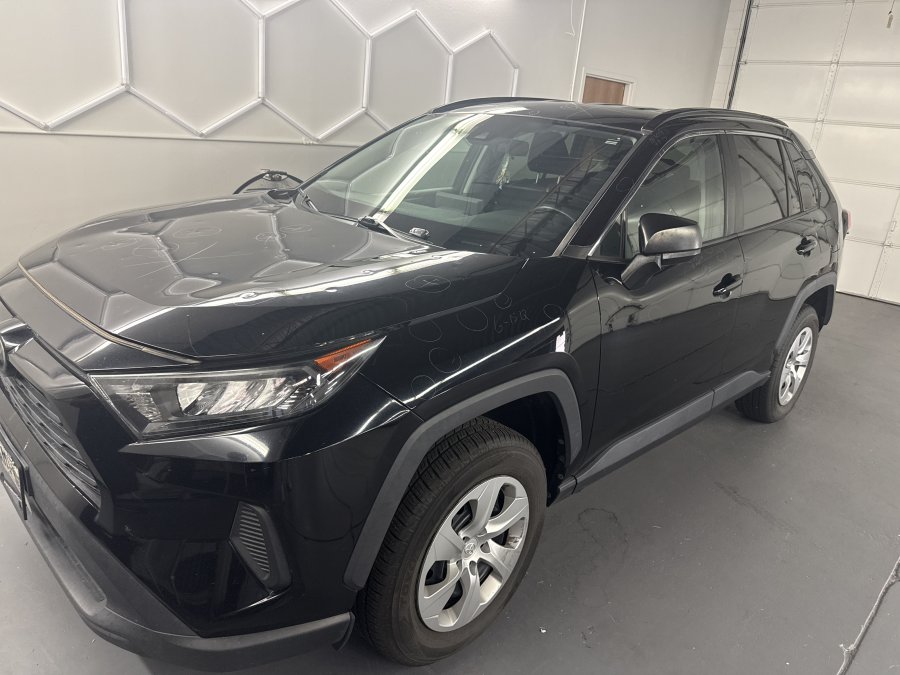
The entire process depends on one critical factor: the paint must be undamaged. If the impact cracked or chipped the paint, PDR cannot work because the repair would be incomplete. The technician assesses this during an initial inspection and recommends the best approach based on what they find.
Traditional Repair Methods Explained
Traditional repair methods involve filling, sanding, and repainting damaged areas. When a dent has damaged the paint or when the metal is creased too severely, this approach becomes necessary. The body shop removes the damaged section, applies filler to smooth the surface, sands it down, and then applies primer and paint to match the vehicle's original finish.
This process takes longer than PDR because each step must cure or dry before the next begins. The technician must also match the paint color exactly, which requires blending and careful application. For some types of damage, particularly deep creases or impacts that have torn the metal, traditional repair is the only option that produces a quality result.
The trade-off is that traditional repair changes the vehicle's original paint layer. Even with expert color matching, the repaired section is technically a different paint application than the factory finish. For collectors or owners concerned with resale value, this distinction matters.
Paintless Dent Repair vs Traditional Repair: Side-by-Side Comparison
The choice between paintless dent repair and traditional repair depends on the damage type, the vehicle's age, and your priorities. Here's how they compare across key factors:
| Factor | Paintless Dent Repair | Traditional Repair |
|---|---|---|
| Best for | Small to medium dents with intact paint | Deep creases, paint damage, structural issues |
| Paint preservation | Keeps factory finish intact | Requires repainting the affected area |
| Repair time | Hours to 1-2 days | 3-7 days depending on complexity |
| Process | Massage dent out from behind panel | Fill, sand, prime, paint, cure |
| Resale value impact | Minimal; original paint maintained | Slight; repair visible in certain light |
| Best for insurance claims | Typically covered; no deductible complications | Covered but may involve deductible |
For hail damage in Arvada, paintless dent repair is often the first choice because hail creates numerous small dents without breaking the paint. Learn how to identify quality PDR work when comparing repair options to ensure you're getting the best results. However, if any dent has cracked or chipped the finish, or if the metal is severely creased, traditional repair becomes necessary.
Understanding vehicle damage assessment standards
Paintless dent repair pros:
- Preserves original factory paint
- Faster turnaround time
- Often lower out-of-pocket costs
- Works well for hail damage
- Maintains resale value better
Paintless dent repair cons:
- Only works if paint is undamaged
- Limited to smaller, shallower dents
- Not suitable for structural damage
- Requires skilled technician
Traditional repair pros:
- Handles any damage type
- Can address structural issues
- Provides a blank canvas for customization
- Works on severely creased metal
Traditional repair cons:
- Changes the original paint layer
- Takes longer to complete
- More labor-intensive process
- May affect resale value perception
Paintless Dent Repair Time and Process Duration
How paintless dent repair works in terms of timeline depends on the extent of damage and the technician's workload. Most small dents take 1-3 hours, while moderate hail damage affecting multiple panels might require a full day or two.
The process begins with a detailed inspection. The technician examines each dent, checks the paint for damage, and determines whether PDR is viable. If the damage is too severe or the paint is compromised, they'll recommend traditional repair instead. This assessment typically takes 20-30 minutes.
Once the technician begins the repair, they work methodically through each dent. They'll access the panel from behind, position their tools, and gradually work the metal back into shape. The key is patience, rushing creates new problems. For hail damage, which often involves 50-100+ small dents, the technician prioritizes the most visible areas first.
Most vehicles are ready within 1-2 business days. For Arvada residents using valet service through Hail Inc., your car is picked up from your location, repaired, and returned without disrupting your schedule.
PDR Technician Qualifications and Certification
Not all technicians can perform paintless dent repair effectively. The skill requires specialized training and hands-on experience. A certified PDR technician has completed formal training programs, passed competency assessments, and often holds industry certifications from organizations that set standards for the profession.
Certification typically involves classroom instruction on metal working principles, hands-on practice with various dent types, and supervised real-world repairs. The technician learns to identify damage that's suitable for PDR versus damage requiring traditional methods. They also learn safety protocols and the proper use of specialized equipment.
When evaluating a repair shop, ask about technician certifications and experience. A technician with 5+ years of PDR experience has encountered diverse damage patterns and knows how to handle edge cases. You can verify PDR technician certification to confirm credentials before committing to a repair.
The best shops invest in ongoing training for their technicians. PDR techniques evolve, and new tools are developed regularly. Shops that prioritize continuous education deliver better results and handle complex damage more effectively.
Paintless Dent Repair Insurance Claims
Insurance companies often prefer paintless dent repair because it's faster and less expensive than traditional repair. Most comprehensive policies cover PDR with the same deductible as any other repair method.
When you file a claim for hail damage in Arvada, the insurance company may send an adjuster to assess the damage. The adjuster determines whether the damage qualifies for PDR or requires traditional repair. For most hail damage, they'll approve PDR as the primary repair method.
Hail Inc. works directly with your insurance company to manage the claims process. We handle the paperwork, communicate with the adjuster, and coordinate the repair timeline. For details on paintless dent repair insurance claims, you can review the specific benefits and how the process works with your policy.
One common concern is whether repairs hold up over time. Quality PDR is permanent, the metal is restored to its original shape, not just pushed back into place temporarily. Your insurance company's confidence in PDR reflects this durability.
Which Method Protects Your Vehicle's Resale Value
Resale value depends on the vehicle's condition, mileage, and maintenance history. A vehicle with original factory paint typically commands a higher resale price than one with repainted panels. This is where paintless dent repair creates a measurable advantage.
When you sell a vehicle, buyers and dealers inspect the paint carefully. They use paint depth meters to check whether the finish is original factory paint or a repair. Vehicles with original paint are perceived as better-maintained and command higher prices.
For vehicles in Arvada where hail damage is common, maintaining original paint is a smart investment. But if you trade or sell within 5-10 years, the difference is real. Learn how paintless dent repair preserves resale value to understand the specific financial impact for your vehicle type.
Traditional repair isn't inherently bad for resale, it's a legitimate repair method that restores functionality. But it does create a visible record of damage and repair. Buyers factor this into their offers. Paintless dent repair leaves no such record because the original paint remains intact.
The resale value advantage is most significant for newer vehicles and luxury brands, where original paint is highly valued. For older vehicles or those with existing repairs, the impact is smaller.
Schedule Your Repair Assessment
Hail Inc. provides expert paintless dent repair services throughout the Denver area, including Arvada. Our certified technicians assess your vehicle's damage and recommend the best repair method for your specific situation. We work directly with your insurance company to handle claims, manage the process, and deliver $0 out-of-pocket repairs.
National automotive repair standards and best practices
The first step is a free damage assessment. Our team inspects your vehicle, determines which repair method is appropriate, and explains your options clearly. If paintless dent repair is viable, we'll provide a timeline and coordinate with your insurance company.
We offer convenient valet pickup and drop-off service so you're never without transportation. Your vehicle is handled by certified professionals with a lifetime warranty on all repairs. How to identify quality PDR work when comparing repair options
Contact Hail Inc. today to schedule your repair assessment and get your vehicle back to its original condition.
Frequently Asked Questions
What is the difference between paintless dent repair and traditional repair?
Paintless dent repair works by carefully massaging dents out from behind the panel using specialized tools, preserving the original factory paint. Traditional repair involves sanding, filling, repainting, and sometimes replacing panels. PDR works best for dents without paint damage, while traditional repair handles deeper dents, creases, and paint damage. The key difference is that paintless dent repair maintains your vehicle's original finish and factory coating.
How does the paintless dent repair insurance claim process work?
Hail Inc. handles the entire paintless dent repair insurance claim directly with your insurer. We document the damage, submit the claim on your behalf, and coordinate with your insurance company throughout the repair. Most customers pay $0 out of pocket because we work directly with insurance to manage the claim. You receive a complimentary rental vehicle while your car is being repaired, so there's no transportation disruption.
How long does paintless dent repair actually take?
Paintless dent repair time depends on the number and size of dents. Minor hail damage typically takes 1-3 days, while more extensive damage may require 3-7 days. Traditional repair usually takes 1-2 weeks because it involves sanding, filling, painting, and curing time. PDR's faster turnaround means you get your vehicle back sooner, and the complimentary rental service keeps you mobile while the work is completed.
Will paintless dent repair preserve my car's resale value better than traditional repair?
Yes. Paintless dent repair preserves your vehicle's original factory paint and coating, which buyers value highly. Factory finishes are more durable and weather-resistant than repainted panels. When you sell or trade in your vehicle, buyers can verify the original paint, which supports higher resale value. Traditional repair with repainting can reduce resale value because potential buyers may question the quality and longevity of the new finish.
What qualifications should a PDR technician have?
Certified PDR technicians complete specialized training programs and hold industry certifications from organizations that verify their skills in dent removal techniques. Hail Inc.'s technicians are certified professionals trained in assessing damage, selecting the right tools, and executing repairs without compromising your vehicle's integrity. Certification ensures the technician understands which dents are suitable for PDR and when traditional repair is necessary, protecting your vehicle and your investment.
Hail damage affects vehicles across Arvada and the surrounding Denver metro area. Whether your damage qualifies for paintless dent repair or requires traditional methods, the goal is the same: restore your vehicle safely and efficiently. Hail Inc.'s certified technicians deliver both repair types with professional care, direct insurance coordination, and a commitment to your satisfaction. Schedule your assessment today and let us handle the repair process from start to finish.