 ultimate-guide
Does PDR Fix Large Hail Dents? What You Need to Know
Table of Contents
- What PDR Can Actually Do for Large Hail Dents
- The Real Limitations of PDR for Severe Hail Damage
- Hail Damage Insurance Claims and PDR Coverage
- How Long Does Hail Repair Take with PDR
- PDR vs. Traditional Body Shop Repair for Hail Damage
- Will Your Vehicle's Resale Value Stay Protected
- How to Know If Your Large Hail Dents Are Right for PDR
- Frequently Asked Questions
Last Updated: September 25, 2026
What PDR Can Actually Do for Large Hail Dents
Whether does pdr fix large hail dents effectively depends heavily on the size, depth, and location of the damage, though in many cases it can. PDR works by carefully manipulating the metal from behind the panel to restore it to its original shape without requiring paint work or body filler.
For hail damage in Arvada and across Colorado's Front Range, PDR excels at addressing medium to moderately large dents where the paint surface remains intact. The technique uses specialized tools to access the back of panels and gradually work the metal back into place. The real advantage is that your vehicle retains its factory finish, which preserves resale value far better than traditional repair methods.
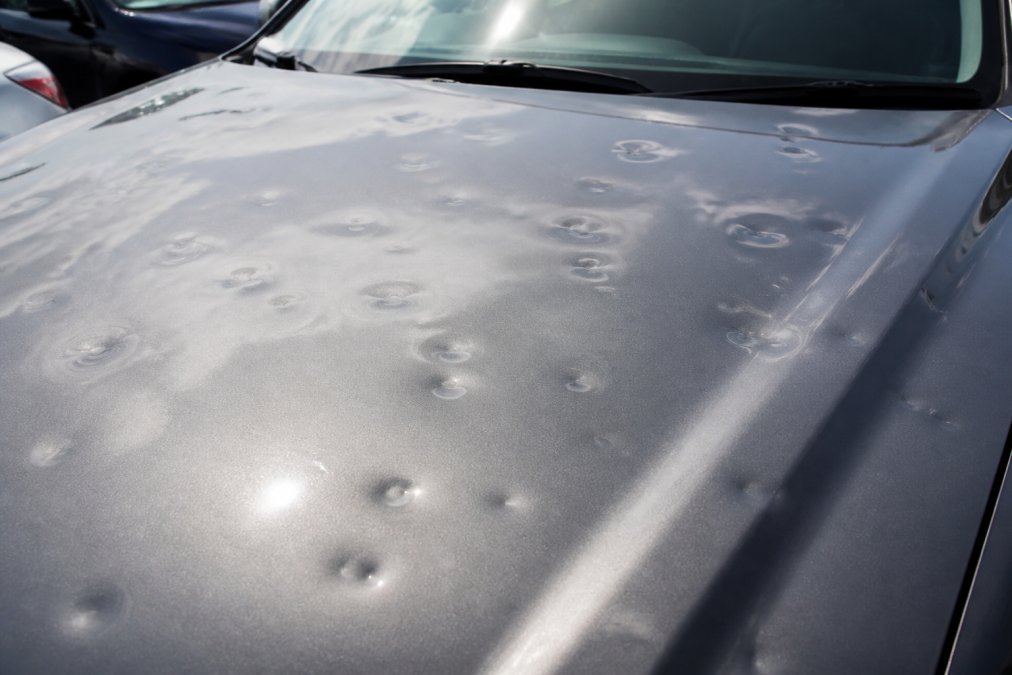
At Hail Inc., our certified technicians assess each dent individually. Some large hail damage can be completely removed through PDR alone. Other situations require a combination approach where PDR handles the majority of the work and traditional methods address specific areas that PDR cannot reach.
The key factor is whether the metal has been stretched. When hail impacts a panel with extreme force, it sometimes stretches the metal rather than simply denting it. Stretched metal cannot be restored to perfect condition through PDR alone because the metal volume has increased, pushing it back only creates new problems elsewhere on the panel.
The Real Limitations of PDR for Severe Hail Damage
Not every large hail dent is a candidate for PDR, and understanding these limitations helps you make an informed decision about your repair options. PDR cannot fix dents where the paint has cracked or chipped, where the metal has been severely creased, or where the damage extends across multiple panels in complex patterns.
Severe hail storms sometimes create overlapping dent patterns that intersect with existing body lines or character lines on the vehicle. When dents overlap or sit directly on a crease, pushing one dent out may compromise the adjacent area. This is where PDR reaches its boundary, the technician must choose between leaving some damage visible or transitioning to traditional repair methods.
Hail damage insurance claims in Arvada often involve vehicles with hundreds of small to medium dents across multiple panels. PDR handles this volume well. But if the same storm created a few extremely large, deep dents on the same panels, those specific dents might require filler and repainting to achieve an acceptable finish.
Another limitation surfaces with older vehicles or those with previous repairs. If a panel has already been repainted or has underlying damage, PDR becomes riskier. Pushing on a previously repaired area can disturb the paint or filler underneath, creating new problems.
Hail Damage Insurance Claims and PDR Coverage
Insurance companies generally cover PDR for hail damage because it restores vehicles to their original condition without the environmental waste and cost associated with traditional body shop repairs. Most comprehensive auto insurance policies treat hail damage as a covered loss, and PDR falls within that coverage.
The advantage for policyholders is significant: PDR typically costs less than traditional repair, which means your deductible applies to a smaller total claim. If your deductible is $500 and traditional repair costs $3,000, you pay $500 out of pocket. If PDR costs $1,500, you still pay $500, but your insurance pays $1,000 instead of $2,500.
Insurance adjusters understand PDR and accept it as legitimate repair. When you file a hail damage claim, the adjuster will either recommend PDR themselves or accept it if you propose it. Some adjusters may request that you obtain estimates from multiple shops, but they rarely deny PDR claims when the damage is appropriate for the technique.
At Hail Inc., we work directly with insurance companies on your behalf. Our team handles the claim process, communicates with adjusters, and manages the paperwork. This means you avoid the frustration of juggling multiple repair shops and insurance representatives.
The key to smooth insurance coverage is having a qualified technician assess your vehicle before filing. If PDR is appropriate for your damage, that assessment becomes part of your claim documentation. If the damage requires traditional repair despite initial appearance, the adjuster and technician can discuss the best approach together.
How Long Does Hail Repair Take with PDR
The timeline for PDR depends on the extent of damage, the number of dents, and the complexity of their locations. A vehicle with light hail damage across one or two panels might be completed in a single day. Vehicles with moderate to severe damage across multiple panels typically take three to seven business days.
The repair process itself moves relatively quickly once work begins. A technician can address dozens of small to medium dents in a day. What extends the timeline is the assessment phase and the need to access certain panels properly. If dents are concentrated on the roof and hood, the work proceeds faster than if damage is spread across all four doors, the roof, hood, and rear hatch.
Hail Inc. offers convenient valet service in Arvada and surrounding areas, which means you don't need to wait at the shop. We pick up your vehicle from your home or office, complete the repairs, and return it to you. This eliminates the transportation disruption that concerns many busy professionals.
Insurance adjusters sometimes delay the timeline by scheduling assessments or requesting additional documentation. Once repair work actually begins, PDR moves faster than traditional body shop repair. A traditional shop might need two to three weeks for extensive hail damage because the work involves paint mixing, curing time, and quality inspections. PDR compresses that timeline significantly.
PDR vs. Traditional Body Shop Repair for Hail Damage
The choice between PDR and traditional body shop repair comes down to damage severity, cost, and your priorities for vehicle condition. PDR preserves the factory finish and maintains the vehicle's original paint, which protects resale value. Traditional repair involves sanding, filling, and repainting, which changes the paint thickness and finish characteristics.
From a purely cosmetic standpoint, both methods can produce acceptable results when performed well. A skilled traditional body shop can make damage invisible. But the underlying difference matters: PDR restores the original condition, while traditional repair creates a "repaired" condition.
Insurance companies prefer PDR when it's appropriate because it costs less and wastes fewer materials. From an environmental perspective, PDR generates minimal waste compared to traditional repair, which produces paint overspray, sanding dust, and plastic filler waste.
The resale value difference is measurable.
| Repair Method | Paint Preservation | Timeline | Cost | Resale Impact |
|---|---|---|---|---|
| PDR | Factory finish intact | 3-7 days | Lower | Minimal impact |
| Traditional Repair | New paint applied | 2-3 weeks | Higher | Notable depreciation |
Will Your Vehicle's Resale Value Stay Protected
One of the strongest reasons to choose PDR is the protection it offers to your vehicle's resale value, especially when asking does pdr fix large hail dents as your primary repair option. Buyers and dealers check repair history, and they understand the difference between PDR and traditional body work. A vehicle with PDR repairs maintains significantly higher value than one with traditional repairs for the same damage.
How to Know If Your Large Hail Dents Are Right for PDR
Determining whether your hail damage is appropriate for PDR requires professional assessment, but you can perform a preliminary evaluation yourself. Start by examining the dents closely. If the paint surface is intact with no cracks, chips, or areas where paint has lifted, PDR is likely viable.
Frequently Asked Questions
What is the maximum size of a hail dent that PDR can fix?
PDR works best on dents smaller than 1 inch in diameter, though technicians can sometimes address slightly larger dents depending on the metal's flexibility and the dent's location. Dents larger than 1.5 inches or those with sharp creases typically require traditional body shop repair. The metal's ability to be massaged back into shape without cracking or stretching determines the upper limit for any individual dent.
Does insurance cover PDR for large hail damage in Colorado?
Most comprehensive insurance policies cover PDR for hail damage, often at no cost to you beyond your deductible. Many insurers actually prefer PDR because it preserves your vehicle's original factory finish and costs less than traditional repair. Your policy details determine coverage, so review your declaration page or contact your agent. Hail Inc. works directly with insurance companies to handle claims, helping ensure your repair is covered.
How long does it take to repair large hail dents using PDR?
Small hail damage typically takes 1-3 days, while extensive hail damage affecting multiple panels may require 5-7 days or longer. The timeline depends on dent quantity, severity, and whether your vehicle requires additional prep work. Hail Inc. provides a complimentary rental vehicle during repairs, so you stay mobile. Your technician will give you a specific estimate after inspecting your vehicle.
Is paintless dent repair as effective as traditional body shop methods for hail?
PDR is highly effective for small to medium hail dents and preserves your car's original factory finish, a major advantage traditional repair cannot match. However, for large dents with paint damage, creases, or severe impact, traditional body shop repair may be necessary. PDR's effectiveness depends on dent size and location; your technician can advise whether PDR alone will restore your vehicle or if hybrid repair is needed.